
Millwork
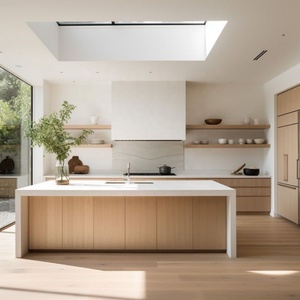
Explore commercial-grade solid wood millwork, marine-resilient poolside seating, and luxury hospitality furnishings engineered to endure rigorous cycle loads and climate variability.
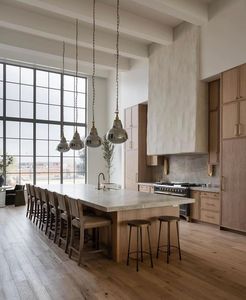
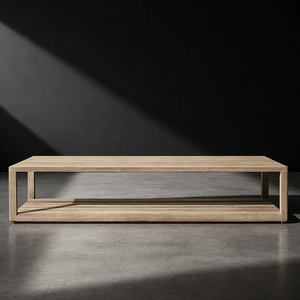
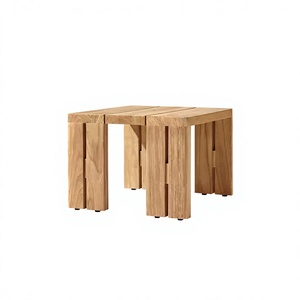
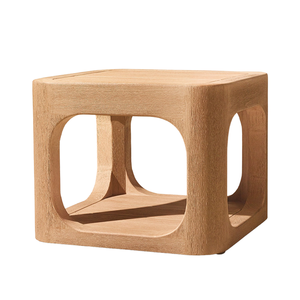
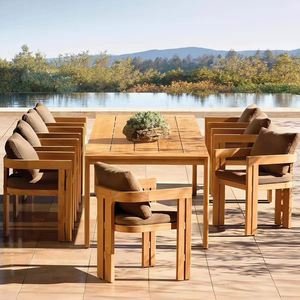
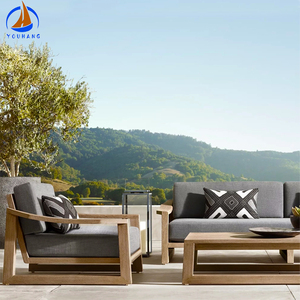
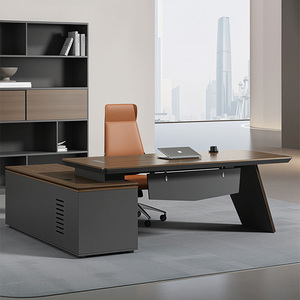
In high-end commercial hospitality developments, furniture, fixtures, and equipment (FF&E) represent both a defining aesthetic differentiator and an intensive operational lifecycle expense. Procuring commercial-grade teak (Tectona grandis) demands an exhaustive understanding of timber physiology, moisture equilibrium dynamics, joinery load vectors, and supply chain governance. Global hotel developers, project managers, and interior architecture firms must navigate complex trade trade-offs when balancing upfront capital investment with long-term commercial durability.
Information Gain Metric: High-traffic resorts exposed to maritime tropical environments require Grade-A plantation or natural heartwood with natural silica and rubber latex concentrations above 1.2% by weight, combined with automated chamber kiln desiccation yielding an Equilibrium Moisture Content (EMC) strictly calibrated to the final project installation geography.
The global contract furniture paradigm has shifted from rapid-replacement consumption models to verified asset longevity and circular environmental compliance. Procurement heads are currently responding to three macro dynamics:
Strict enforcement of the European Union Deforestation Regulation (EUDR) and the US Lacey Act requires digital timber tracing, SVLK certification, and verified legal plantation origins to eliminate import customs risk.
Pairing organic plantation teak with structural marine-grade 316 stainless steel, architectural powder-coated extrusions, and antimicrobial reticulated foam under high-UV conditions.
Architects specify knock-down (KD) configurations optimized for international sea-freight packing efficiency that maintain zero visible fixings and structural integrity upon on-site assembly.
Modern hospitality requirements eliminate the viability of cottage-level workshops that rely solely on rudimentary air-drying and manual sizing. Commercial durability is governed by automated 5-axis CNC machining, deep-penetrating polyurethane adhesives (EN 204 D4 classification), and precise mortise-and-tenon structural joints backed by high-tensile internal doweling. The presence of natural tectoquinones within mature teak heartwood confers extraordinary defense against fungal rot, subterranean termites, and saltwater micro-abrasions, provided the log drying curve avoids cellular collapse or internal honeycombing.
| Material / Grade Specification | Specific Gravity (g/cm³) | Equilibrium Moisture Target | Primary Commercial Application | Operational Lifecycle |
|---|---|---|---|---|
| Grade-A Mature Teak Heartwood | 0.65 – 0.75 | 8% – 12% (Kiln Monitored) | High-exposure resort pooldecks, beach terraces, dining | 25+ Years Commercial |
| Grade-B/C Sapwood Hybrid Teak | 0.50 – 0.60 | 12% – 16% | Covered indoor verandas, secondary guestroom accents | 7 – 12 Years |
| Kiln-Dried Indonesian Mahogany | 0.52 – 0.62 | 8% – 11% | Interior presidential suites, duco-finished casegoods | 15+ Years (Interior) |
| Laminated Engineered Tech-Teak | 0.70 – 0.82 | 6% – 9% | Executive desks, conference tables, architectural walls | 20+ Years (Interior) |
Moving toward 2030, procurement directors must factor carbon credit offset parameters into physical FF&E logistics. Supply partners with vertically integrated kilns powered by processing biomass, computerized panel optimization software, and closed-loop finish recovery booths will capture preferential status with major global hotel operators (Marriott, Hilton, Accor, and Hyatt sustainability criteria). Furthermore, pre-weathered gray patinas and breathable non-film-forming siloxane micro-coatings are superseding heavy polyurethane varnishes, allowing the timber to breathe without peeling, yellowing, or blistering under intense coastal UV radiation.
Delivering the production flexibility of an artisanal specialist with the supply-chain reliability, compliance rigor, and shipping scale required by international project developers.
Translating conceptual sketches, renderings, and technical BIM/CAD drawings into millimeter-perfect shop tickets with zero stylistic compromise.
Operating dedicated computerized convection kilns to systematically dehydrate raw timber to 8-12% moisture content, matching destination climates.
Two dedicated QC engineers inspect joinery, level planar calibration, hand-sanding grit (to 320 mesh), and protective packing before palletization.
Critical engineering considerations, shipping milestones, moisture management, and contractual verification standards answered by our master woodworkers.
Timber movement is fundamentally governed by relative humidity variations. We utilize automated progressive cross-circulation drying kilns to lower timber moisture content systematically to 8%–10% for arid destinations (such as North American interiors or the UAE), or 12%–14% for humid island resorts. Stress-relief thermal cycles are run post-drying to neutralize internal tensile strains before dimensioning on CNC machinery.
Yes. Over 80% of our output is custom-engineered to drawing. We accept formal AutoCAD, Revit, SolidWorks, or detailed architect PDFs. Our engineering drafting team prepares shop tickets delineating interior joinery, internal reinforcing plates, edge profiles, and sub-surface hardware integration. We furnish pre-production finish blocks (15x15cm) on actual project wood stock for client sign-off.
Every shipment is covered by legitimate V-Legal / SVLK certifications, verifiable Certificate of Origin (COO), phytosanitary treatment certificates, and commercial timber declaration papers. All raw material is sourced from managed Perum Perhutani plantations or legally licensed private timber concessions that meet global chain-of-custody protocols.
Standard lead times for a 20ft Full Container Load (FCL) span 4 to 6 weeks from technical drawing and deposit confirmation. Multi-container projects are scheduled in staggered weekly rolling releases. We also facilitate Less than Container Load (LCL) or half-container runs for phased guestroom mock-ups or boutique residential villa projects.
Our two-stage QA protocol evaluates: (1) Dimensional tolerance and joinery alignment during dry-fit pre-assembly; (2) Surface finish balance, edge radiuses, moisture verification via calibrated pinless meters, and hardware cycle-testing before packing. Buyers receive a high-resolution photo/video QA inspection dossier prior to final container door sealing.
Submit your architectural schedule, CAD files, or custom furniture requirements. Our technical project team will provide a comprehensive engineering review, material optimization plan, and CIF/FOB quote within 24 hours.
Get a Quote