Our cross-regional contract manufacturing hub bridges old-growth structural integrity with high-throughput modern machining. Browse our primary engineering archetypes below, ready for CAD/Revit shop drawing tailoring and bulk containerised fulfillment.
Combining three decades of traditional woodworking heritage from Jepara with advanced industrial processing in our modern facility. We solve the high-stakes supply chain dilemmas: timber legality, structural movement, climatic cracking, and multi-container freight consolidation.
Every board of Tectona grandis (natural teak) and mahogany is systematically logged and tracked under Indonesia's national legal-timber verification system (SVLK) and FLEGT licensing parameters. This ensures seamless customs clearance under the US Lacey Act, European EUDR requirements, and Australian illegal logging prohibition laws.
Tropical wood failure in temperate export zones is invariably caused by moisture differentials. Our programmed computerized vacuum dry kilns condition raw hardwoods to an accurate 8%–10% Equilibrium Moisture Content (EMC). This prevents warping, end-grain checking, and joint popping across varying seasonal humidity cycles.
We decouple standard production workers from the inspection protocol. Dedicated QA/QC supervisors independently evaluate moisture meters, mortise-and-tenon mechanical shear strength, surface grit sanding consistency (up to 400-grit ultra-finish), and flat-pack drop performance testing prior to any container gate-in.
Our drafting department accepts raw architectural concept sketches, PDF elevations, or Revit BIM files and produces engineering shop drawings within 48 hours. Tolerances are held to within ±0.5mm across CNC-milled component arrays, facilitating flawless hardware integration and on-site assembly.
Unlike rigid mass-production assembly lines that enforce massive single-item batch minimums, our workshop architecture supports mixed 20ft and 40ft High Cube container loads. Importers can combine commercial desks, lounge tables, dining armchairs, and casegoods within a single logistics window.
Every wooden element is protected using non-abrasive soft foam, heavy EPE edge guards, 5-ply double-wall corrugated cartons (bursting test grade >275 lbs), and silica gel packets calibrated against oceanic condensation (container sweat), guaranteeing pristine port-to-warehouse delivery.
In high-traffic commercial environments, resort properties, and institutional workplaces, timber selection governs the total lifecycle expenditure. While species like White Oak and Walnut offer distinct aesthetics, natural teak possesses inherent biophysical attributes that render it impervious to decay organisms, fungal enzymic attack, and hydraulic swelling.
The secret lies in teak's micro-cellular matrix: high concentrations of natural tectoquinones, embedded caoutchouc (natural rubber), and high silica content. Even when left untreated and exposed to torrential monsoon rain or desiccating ocean breezes, natural Grade A heartwood develops a self-protecting silver patina without compromising structural shear boundaries.
| Property / Metric | Grade A Indonesian Teak | Commercial Mahogany | American White Oak | Engineered Teak/Melamine |
|---|---|---|---|---|
| Janka Hardness Rating | 1,000 – 1,155 lbf | 800 – 900 lbf | 1,360 lbf | Surface Hardened (~1,200 lbf) |
| Natural Oil & Resin Density | Exceptionally High (Waterproof) | Medium (Requires Sealing) | Low (Vulnerable to Standing Water) | Non-Porous Resin Matrix |
| Dimensional Stability (Shrinkage) | Radial 2.5%, Tangential 5.8% | Radial 3.5%, Tangential 4.8% | Radial 5.6%, Tangential 10.5% | High Stability (<0.5% Swell) |
| Outdoor Exposure Rating | Class 1: 25+ Years Bare | Class 3: Covered Outdoor Only | Class 2-3: Requires Recoating | Indoor Commercial Use Only |
| SVLK / Chain of Custody Cost | Regulated & Verified | Direct Plantation Source | FSC Certified Benchmark | E0 / CARB-P2 Certified |
A frequent error made by inexperienced wood furniture factories is treating high-oil tropical timber with standard water-borne PVA glues or using fixed mechanical fastening without thermal movement allowances. Our engineering team utilizes a hybrid joint layout specifically balanced for export conditions:
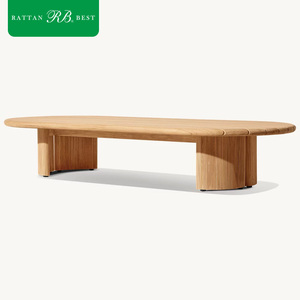
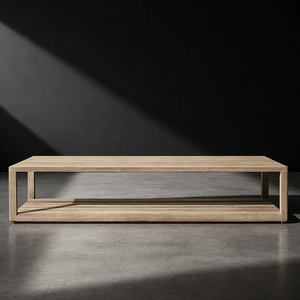
For large table tops (such as our Rectangular Outdoor Coffee Table or Modern Fluted Coffee Table), breadboard end joints and floating elongated screw slots are implemented. This allows tangential expansion across seasonal moisture variations without inducing axial stress fractures. Adhesives used for structural outdoor bonds conform strictly to DIN EN 204 Class D4 (waterproof thermosetting polyurethane), guaranteeing zero bond delamination across submerged or high-humidity tropical resort conditions.
The global trade landscape for natural hardwoods is shifting under heightened regulatory scrutiny, changing commercial real estate design languages, and logistical pressures. Strategic furniture buyers must adapt their sourcing blueprints to remain compliant and profitable.
With the implementation of the European Union Deforestation Regulation (EUDR), generic legality statements are no longer acceptable. Importers will require precise GPS polygon coordinates of the harvest plot, date of felling, and digital integration with national timber registries. Our direct Jepara workshop ties directly into registered forestry concessions, assuring completely audit-proof procurement dossiers.
With maritime freight fluctuations impacting landing costs, bulky pre-assembled outdoor seating or casegoods erode margin buffers. The future of timber procurement belongs to Architectural Knock-Down (KD) systems—utilizing internal stainless steel eccentrics, CNC cam fasteners, and mortise guides that pack flat into reduced container volumes while assembling effortlessly in under 5 minutes without visible exterior bolt heads.
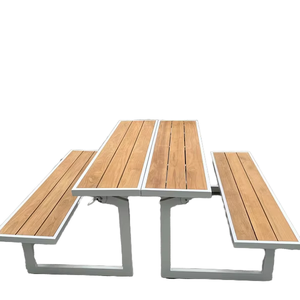
Monolithic timber setups are giving way to mixed-medium industrial assemblies. High-end hospitality projects increasingly demand natural teak surfaces integrated with architectural-grade T5 aluminum extrusions, micro-fluted facades, sintered stone inlays, and marine-grade powder coatings. Our integrated metal-and-wood prototyping lines streamline single-source procurement for multifaceted architectural packages.
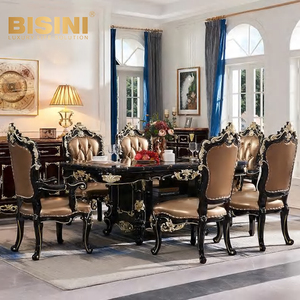
Aesthetic preferences are pivoting from high-sheen, heavy colonial silhouettes toward organic Scandinavian-Japanese (Japandi) minimalism, fluted verticality, and raw tactile finishes.
As showcased in our Modern Fluted Outdoor Coffee Table, rhythmic vertical slatting and soft circular radiuses introduce acoustic absorption, optical depth, and refined shadowlines into serene hospitality and upscale residential settings.
Glossy polyurethane coats that yellow over time are being replaced by micro-porous, water-based hydrophobic silane-siloxane impregnators. These preserve the velvety, raw touch of natural teak heartwood while completely repelling wine, coffee, and chlorine stains.
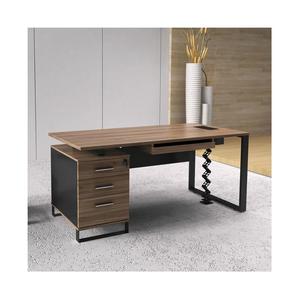
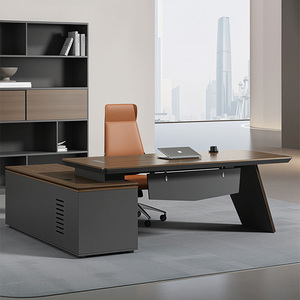
Our Modern L-Shaped Executive Desk exemplifies the convergence of genuine hardwood tactility with commercial grade electronics: concealed wireless induction pads, motorized wire chases, biometric thumbprint drawers, and integrated LED task lighting channels.
Commercial specifiers no longer differentiate sharply between interior dining and exterior lounge zones. The trend centers on "continuous flooring design," using teak collections that harmonize seamlessly from climate-controlled living areas to open-air veranda terraces.
Direct technical answers addressing production logistics, testing parameters, order thresholds, and compliance documentation for global buyers.
We are a direct manufacturer with a dedicated multi-workshop structure operating since 1995. In our facility, we handle the entire raw log sawing, kiln drying, 5-axis CNC shaping, hand bench fitting, sanding, and final finishing under single-roof operational supervision.
Our standard production efficiency threshold is one 20ft container (approx. 28–30 CBM). However, we welcome mixed-SKU container configurations across tables, chairs, desks, and storage pieces. LCL trial orders for ongoing project developers are accepted upon CBM volume feasibility review.
Every raw timber flitch undergoes a 21-day slow kiln cycle with moisture probes installed at both the core and surface. Wood leaves the kiln at 8%–10% EMC. Furthermore, our joinery utilizes slotted expansion clips and oval screw apertures to allow natural seasonal expansion without splitting.
All shipments include complete V-Legal / SVLK certifications, Timber Legality Assurance System documentation, and Phytosanitary certificates issued by government forestry departments. These documents satisfy all requirements under the US Lacey Act, European Timber Regulations (EUTR/EUDR), and UKTR.
Yes. Send us your technical drawings (DWG, DXF, PDF, or STEP formats) or even design sketches with target dimensions. Our engineering team returns fully detailed factory production shop drawings, complete with hardware schematics and joinery callouts, for your approval before tooling starts.
Standard lead times for a 20ft or 40ft container average between 4 to 6 weeks. Customized architectural projects requiring new extrusion dies or custom cast metal hardware require approximately 6 to 8 weeks, inclusive of 100% pre-assembly quality control and photography verification.
For outdoor natural teak, we recommend raw fine-sanded (which gracefully ages into a silver patina), water-based invisible sealer, or natural teak oil. For indoor commercial environments, we offer conversion varnish, hardwax oils, multi-layer melamine coats, and pigmented opaque Duco lacquers.
We execute 3D virtual container load plans using specialized freight modeling software to maximize every cubic meter. Flat-pack and semi-KD pieces are packed using 5-ply export double-wall cartons, heavy honeycomb edge corner bumpers, and high-density foam wrapping that passes ISTA-1A drop tests.
For standard FCL container orders, we typically operate on a 30% T/T engineering deposit upon shop drawing approval and proforma invoice issuance, with the 70% balance payable upon completion of quality sign-off and issuance of shipping documentation. Letter of Credit (L/C at sight) is supported for large project volumes.
Absolutely. We encourage in-person factory visits to inspect our kiln kilns, timber yards, CNC lines, and assembly floors. We also support pre-shipment inspections conducted by international testing firms (such as SGS, Bureau Veritas, or TÜV Rheinland) prior to container loading.
Whether you need volume OEM furniture manufacturing for a multi-room luxury resort, containerised private-label retail collections, or custom engineered architectural joinery, our engineering department is ready to deliver precise quotations, CAD shop drawings, and finish swatches within 24–48 hours.
