
Contract Grade
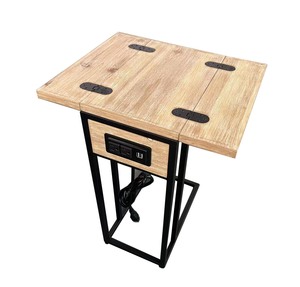
Explore eight core contract designs manufactured with kiln-dried timber, precision CNC tolerances, and weather-defying hardware tailored for luxury resorts, wholesale distributors, and architectural developments.
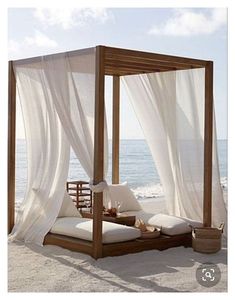
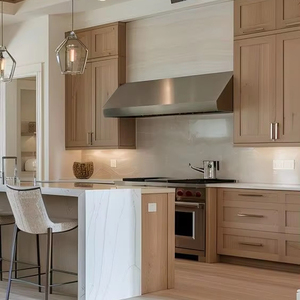
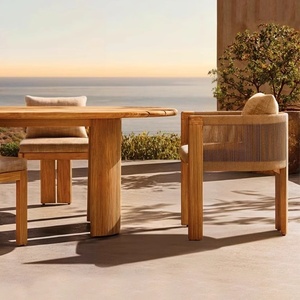
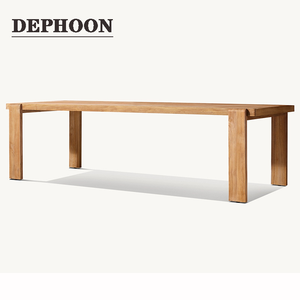

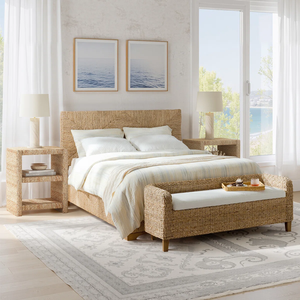
The manufacturing of commercial-grade teak (Tectona grandis) lounge chairs represents a convergence of natural material science, timber physics, and precision joinery. Historically rooted in artisanal workshops across Central Java (Jepara) and specialized coastal manufacturing hubs in Guangdong (Foshan), modern export-oriented factories have transitioned from manual labor models to tightly controlled, digitally monitored manufacturing ecosystems.
For international furniture retailers, commercial landscape architects, and hotel procurement directors, sourcing teak lounge furniture requires balancing wood provenance with industrialized repeatability. True Grade-A teak heartwood contains high concentrations of natural tectoquinones and hydrophobic oils, endowing the timber with natural resistance to decay, fungal growth, termite infestation, and saltwater intrusion. However, without automated kiln cycles and rigorous dimensional tolerances, even prime-grade timber will suffer seasonal checking, hairline splits, and fastener shear when shipped to dry, climate-controlled interiors or extreme continental climates across North America and Europe.
Every board is tracked back to sustainably managed state plantations (Perum Perhutani) ensuring zero illegal logging, full Lacey Act alignment, and EUTR compliance.
Multi-stage computer-controlled vacuum kilns bring equilibrium moisture content (EMC) down to a stable 8%–11%, preventing warping across diverse global microclimates.
Components undergo 5-axis CNC routing with tolerances within ±0.2mm, bound by thermosetting polyurethane cross-linking D4 water-resistant glues.
A premium commercial teak lounge chair must withstand high dynamic loading, ultraviolet breakdown, and aggressive chemical exposure around chlorinated resort pools or coastal ocean spray. Factories focused on long-term institutional export prioritize four fundamental engineering standards:
| Evaluation Parameter | Commercial Export Grade (Grade A) | Standard Commercial Grade (Grade B) | Economy Retail Grade (Grade C) |
|---|---|---|---|
| Raw Material Origin | Certified Mature Forest Plantation Heartwood (>35 yrs) | Semi-mature Timber Heartwood / Outer Core (20–30 yrs) | Immature Plantation / Sapwood Heavy (<15 yrs) |
| Moisture Content (EMC) | 8% – 11% (Dehumidification + RF Kiln) | 12% – 16% (Standard Hot Air Kiln) | 18% – 24% (Air-dried / Inconsistent) |
| Joinery Technique | Precision CNC Mortise & Tenon with Teak Dowels | Standard Dowel & Mechanical Pocket Screws | Butt Joints with Glue & Staples / Brad Nails |
| Hardware Specification | Marine Grade 316 / Passivated 304 Stainless Steel | 301 Stainless Steel or Galvanized Alloy | Electro-galvanized Carbon Steel |
| Finishing Treatment | Natural Sanding (400-grit) + Waterborne Bio-protective Oil | Standard Teak Oil or Single-Coat Solvent Sealer | Low-solids Pigmented Lacquer (hides sapwood) |
As corporate ESG mandates tighten and global hospitality design philosophies evolve, professional procurement strategies for teak lounge chairs are shifting fundamentally:
Pure solid teak designs, while timeless, introduce weight constraints that can hinder easy repositioning across sprawling resort decks or ocean cruisers. Modern project specs increasingly request hybrid lounge armatures: marine-grade T6 aluminum chassis finished in ultra-durable architectural powder coatings (e.g., Tiger Drylac, AkzoNobel Interpon) seamlessly integrated with ergonomic Grade-A teak armrests, backrest slats, and deck footings. This provides lightweight structural stiffness while retaining the organic warmth of natural wood where the guest directly touches the furniture.
With the enforcement of the European Union Deforestation Regulation (EUDR) and tightened enforcement under the US Lacey Act, top-tier manufacturers must provide full polygon GPS plot coordinates of the exact forest plantations from which timber is logged. B2B purchasers are bypassing uncertified trading brokers in favor of established workshops capable of delivering end-to-end audit paperwork alongside container bills of lading.
Hospitality asset managers now calculate total cost of ownership (TCO) across 7–10 year replacement cycles. Forward-looking exporters now supply modular lounge chairs featuring tool-less replaceable armrest caps, modular drop-in seat cartridges, and standardized factory maintenance kits containing customized sanding sponges, grain sealers, and stainless replacement bolt kits.
Distinguished from mass-production commodity factories that optimize only for volume, our cooperative manufacturing model—integrating established heritage family workshops in Jepara with export engineering facilities in Foshan—delivers unique competitive leverage to B2B buyers:
Send a napkin sketch, PDF elevation, or Rhino 3D file. We tailor timber dimensions, joinery reinforcements, and textile envelopes to exact project specifications.
Efficient ocean freight handling directly through Port of Semarang (Tanjung Emas) and Shenzhen/Guangzhou ports with comprehensive Bill of Lading, COO, and Phytosanitary documentation.
No arbitrary pricing sheets. Quotations account for exact timber species, kiln-drying time, cubic displacement (CBM) packing efficiency, and target port logistics.
Before issuing a formal Purchase Order (PO) or releasing a down payment to an overseas furniture manufacturer, procurement officers should demand documented verification of the following four criteria:
Essential guidance covering commercial minimums, custom engineering, timber legality, lead times, and container freight management.