As the international home entertainment and contract hospitality sectors demand higher structural resilience, authentic biophilic acoustics, and stringent EUDR/SVLK environmental compliance, sourcing high-spec teak TV stands requires seasoned manufacturing pedigree. Our Jepara production facilities translate complex architectural schematics into high-margin, heirloom-grade retail units.
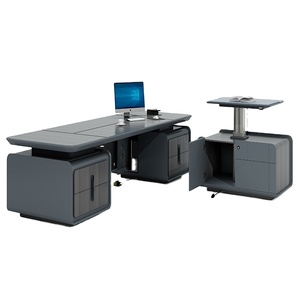
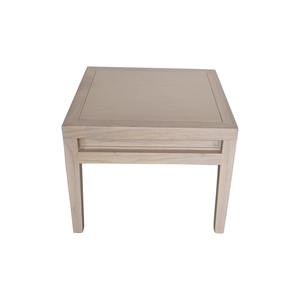
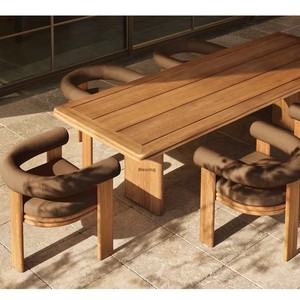
In modern contract interior design and international retail chains, television stands and low-profile AV credenzas have transformed from decorative cabinetry into critical load-bearing structural units. A contemporary media console must safely stabilize ultra-wide OLED panels (up to 98 inches and 70+ kg), seamlessly route multi-device cable arrays, dissipate active heat from gaming systems and AV receivers, and integrate acoustic channels for hidden soundbars—all while preserving crisp geometric joinery without thermal sagging or grain warping over decades of service.
Achieving this level of precision with genuine Indonesian teak (Tectona grandis) requires deep wood science mastery. Teak is universally renowned for its natural tectoquinone oil concentrations, dense silica micro-structures, and low radial shrinkage coefficients. However, mass-market manufacturers often struggle with wood movement when shipping from humid Southeast Asian manufacturing basins to arid, centrally-heated North American or North European target markets. Below are the foundational engineering protocols deployed at our Jepara workshop to guarantee flawless dimensional stability.
The foremost cause of retail customer complaints, door-binding, and tabletop cupping in exported hardwood media consoles is inadequate moisture stabilization. Freshly harvested timber contains over 50% moisture content. Teratai Furniture applies a rigorous two-stage timber conditioning cycle:
Modern gaming consoles and multi-channel home cinema amplifiers emit continuous operational heat reaching 60°C inside cabinet cavities. Conventional particleboard units with sealed rear panels fail rapidly under this thermal stress. In our OEM engineering, we integrate concealed passive convection chimneys, CNC-slotted slatted teak doors, and acoustic cloth-lined speaker bays. This allows unhindered infrared remote signal transmission and natural sub-bass resonance while cooling internal equipment silently without fan noise.
Procurement directors and furniture brand merchandisers face rapidly shifting consumer preferences and stricter environmental legislation. Understanding these macro trends is vital for formulating multi-quarter inventory and purchasing strategies.
Consumers increasingly reject glossy synthetic laminates in favor of tactile organic textures. Slatted tambour doors, rounded waterfall edges, and wall-hung floating teak consoles are experiencing double-digit annual demand surges across premium metropolitan markets.
With the European Union Deforestation Regulation (EUDR) entering into full enforcement, importers must supply geolocation timber tracking data. Our partnership with Perum Perhutani guarantees legally harvested, plantation-grown Indonesian teak with complete digital documentation.
Ocean freight volatility has prioritized packaging cube efficiency (CBM). Our engineering team designs semi-knockdown media units utilizing precision steel cam-locks hidden behind solid wood face frames, reducing container shipping volume by up to 45% without compromising structural strength.
While classic golden teak with natural polyurethane clear-coats remains an export staple, commercial buyers are specifying sophisticated bespoke finishes to differentiate their brand catalogs:
For B2B buyers evaluating unit margins versus warranty risk, selecting the correct wood species or substrate determines customer satisfaction scores and return rates. Below is a comparative engineering assessment.
| Performance Characteristic | Indonesian Solid Teak (Perhutani) | White Oak (Quercus alba) | Commercial Teak Veneer / MDF | Rubberwood / Softwood Composite |
|---|---|---|---|---|
| Structural Density & Janka | 1,070 lbf – High impact resilience | 1,360 lbf – Heavy, rigid | Medium core, brittle edges | 480–900 lbf – Prone to dents |
| Natural Oil & Insect Resistance | Exceptional (High Tectoquinones) | Low (Requires chemical treatment) | None (Susceptible to silverfish) | Extremely Low (Borer vulnerable) |
| Moisture & Heat Tolerance | Impervious to electronics heat | Moderate (Prone to iron stains) | Poor (Delaminates and swells) | Low (Rapid cross-grain warping) |
| Heirloom Lifecycle Rating | 50+ Years (Sandable, refinishable) | 30+ Years | 3–7 Years (Non-repairable) | 2–5 Years (Disposable) |
| Commercial Sustainability | 100% SVLK Certified Plantation | FSC Managed North American | High chemical binder resins | Short crop rotation |
Clear, direct answers regarding minimums, custom ODM sampling, payment escrow structures, and container logistics.
Our baseline commercial order is one 20ft container (typically accommodating 80 to 140 media consoles depending on dimensions and assembly state). However, we gladly accept smaller volumes or mixed-product LCL shipments when consolidating with other furniture suppliers at Port of Tanjung Emas, Semarang.
Yes. Over 70% of our production is pure custom OEM/ODM. You can provide 3D CAD files (.STEP, .DWG), shop drawings, or high-resolution photos with required dimensions. Our engineering team prepares technical cut-lists, joint schematics, and hardware specifications for your written sign-off before sawdust flies.
We mandate an 8%–12% target kiln-dried core moisture content monitored via digital resistance pins. Furthermore, we construct media console tops with directional expansion allowances—such as slotted screw brackets, breadboard ends, and floating center panels—allowing natural seasonal expansion without splitting.
For direct-to-consumer e-commerce clients, we engineer ISTA-3A/6A compliant packaging. This includes heavy-duty 5-ply corrugated master cartons, 20mm high-density corner edge protectors, full EPE foam envelope wrapping, and silica desiccant bags to prevent transit condensation during ocean voyages.
Production typically requires 4 to 6 weeks per 20ft container following prototype confirmation. Payment terms for multi-container projects are structured as a 30% initial deposit upon order confirmation, with each container’s balance settled only after your photographic/video QC approval prior to container sealing.
We welcome buyer visits and third-party QA agencies at our Jepara workshop (open daily 08:00–16:00 WIB). Our team provides full access to timber testing logs, joinery jigs, and finishing bays. Please notify our office ahead of your visit so we can allocate dedicated technical personnel to assist you.
Connect directly with our master craftsmen and production engineering managers in Jepara. Upload your technical CAD drawings, specify required dimensions and finishes, or request bespoke material samples tailored to your upcoming collection launch.
