Explore high-volume contract furniture and bespoke joinery manufactured with high-precision tenon joinery, automated kiln drying, and hand-finished craftsmanship.
Combining traditional Javanese timber craftsmanship with computerized industrial dry kilns, precise CNC tenoning, and worldwide containerized export protocols.
Unlike massive automated commodity factories that mandate rigid order designs in tens of thousands, our dedicated workshop on Jl. Raya Soekarno Hatta KM.5 in Jepara operates with agile master artisans, technical draftsmen, and dedicated finishers. We flexibly welcome custom CAD drawings, customized dimensions, and split-container consolidation.
Every board of Indonesian Teak (Tectona grandis) and sustainable Mahogany utilized in our wardrobe carcasses and door frames is 100% harvested from authorized Perum Perhutani forest concessions, backed by government-verified Sistem Verifikasi Legalitas Kayu (SVLK) chain-of-custody documentation and comprehensive European Deforestation Regulation compliance.
To eliminate shrinkage, timber twisting, or finish bubbling during overseas ocean freight across distinct climate zones, our dedicated in-house QC inspectors run two independent review milestones: comprehensive dry-assembly mortise-and-tenon structural verification, followed by a final coating, drawer slide alignment, and packaging inspection prior to container sealing.
A comprehensive B2B procurement briefing on timber moisture mechanics, structural stability, hardware selection, and modular flat-pack engineering for commercial applications.
Solid teak (Tectona grandis) is globally renowned as the gold standard for luxury furniture joinery due to its natural silica content, dense cellular structure, and abundance of intrinsic protective tectoquinone resins. These biological properties render teak exceptionally impervious to subterranean termites, fungal decay, and radical ambient humidity shifts. However, engineering tall, monolithic structures such as wardrobe carcasses, floor-to-ceiling closet stiles, and expansive floating panel doors introduces complex thermodynamic hygroscopic behaviors that standard factory production often fails to address.
When high-volume Indonesian furniture is exported to arid or seasonally heated consumer markets—such as the American Southwest, Northern Europe during winter, or the Australian interior—the ambient Equilibrium Moisture Content (EMC) can drop as low as 6% to 8%. Conversely, timber sourced with improper outdoor atmospheric drying maintains an internal moisture level exceeding 18% to 22%. Without rigorous industrialized convective kiln drying, this moisture differential triggers radial and tangential board shrinkage, resulting in warped tall doors, binding internal drawers, and cracked solid wood side panels.
At our Jepara export workshops, we enforce a precise computer-monitored kiln drying schedule over a continuous 21-to-28-day cycle, progressively seasoning timber boards down to a standardized 8%–12% moisture threshold. The timber is then acclimated in conditioned holding facilities before milling. This scientific equilibrium preservation ensures that large sliding closet doors, multi-drawer dressers, and integrated walk-in armoires maintain mechanical dimensional stability, flat door alignments, and smooth track gliding across decades of intensive consumer use.
In high-grade solid hardwood wardrobe engineering, rigid adhesive gluing of expansive cross-grain timber components is structurally catastrophic. A 1000mm wide solid teak panel can experience up to 12mm of natural tangential expansion and contraction between wet summer humidity and dry winter indoor heating. Professional contract furniture manufacturing demands joinery that harnesses and accommodates this natural physical movement without stress fractures:
| Material Engineering Matrix | SVLK Solid Jepara Teak | Commercial Teak Veneer / MDF | Aluminum Frame / Melamine |
|---|---|---|---|
| Structural Lifespan | 50–100+ Years (Heirloom Grade) | 5–10 Years (Susceptible to Delamination) | 10–15 Years (Mechanical Wear) |
| Moisture Resistance & Rot | Extremely High (Tectoquinone Resins) | Poor (Core Swelling on Moisture Exposure) | High Frame / Moderate Core |
| B2B Commercial Value Retained | Appreciates / Exceptional Resale Value | Rapid Asset Depreciation | Low Residual Material Value |
| Custom CAD Dimensional Flexibility | 100% Bespoke Millwork & Carving | Constrained by Standard Board Sizes | Rigid Extrusion Tooling Constraints |
| Environmental Compliance (EUDR/Lacey) | Fully Traceable SVLK Concession Timber | Complex Multi-Tier Resin Glue Audits | High Carbon Embodied Aluminum Footprint |
How stringent ESG regulations, digital container tracking, and supply chain consolidations are shaping the global procurement landscape for high-volume furniture buyers.
The enforcement of the EU Deforestation Regulation (EUDR) and tightened enforcement under the US Lacey Act mandate complete plot-level geolocation traceability for imported timber products. Importers can no longer source from undocumented middlemen. Direct partnerships with certified Indonesian primary manufacturers who hold legitimate SVLK certificates provide an uninterrupted regulatory compliance paper trail, safeguarding shipments from port confiscation.
With international ocean freight volatility, maximizing Cubic Meter (CBM) payload density inside 40ft High Cube containers has become a vital operational imperative. Emerging wardrobe designs utilize concealed, high-tensile zinc eccentric cam connectors and threaded steel bushings, enabling robust solid wood armoires to be flat-packed into precision export pallets, tripling container capacity while keeping reassembly time under 20 minutes.
Global architectural demand is polarizing into two distinct premium niches: certified sustainably farmed Perhutani plantation teak exhibiting consistent golden honey hues, and character-rich salvaged/reclaimed timber exhibiting authentic weathered patina and nail scars. Forward-thinking hospitality developers are prioritizing hybrid specs that blend structural plantation framing with rustic reclaimed door facades.
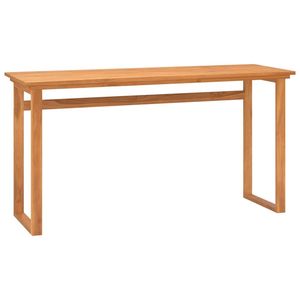
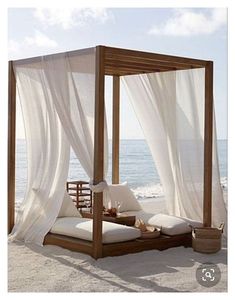
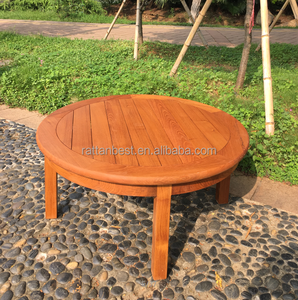
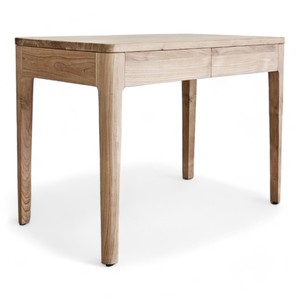
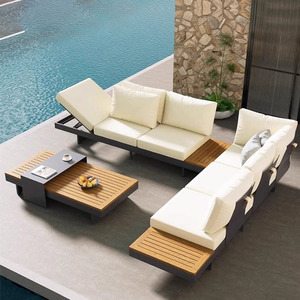
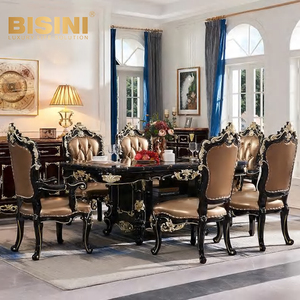
Boutique retailers, luxury residential contractors, and regional distributors are increasingly shifting away from single-SKU bulk procurement. The operational model pioneered by Teratai Home allows buyers to consolidate mixed-category containers—combining master solid teak wardrobes with coordinating dining suites, executive writing desks, credenzas, and outdoor lounge furniture—under a unified bill of lading.
Merging ancestral Javanese woodwork with modern interior architecture: illuminating how smart technology and mixed materials are revitalizing solid wood storage.
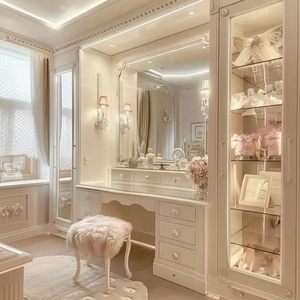
Modern luxury closets are transforming into illuminated lifestyle showcases. Advanced OEM designs integrate concealed, routed 12V/24V micro-channel extrusions directly into vertical solid teak carcases. Micro-magnetic proximity sensors or flush-mounted PIR motion sensors instantly trigger diffused, 3000K warm architectural lighting when closet doors or velvet-lined jewelry drawers glide open.
To reduce visual mass in spacious residential master suites, contemporary wardrobes are marrying solid teak frameworks with acoustic fluted (Moru) glass panels, brushed anodized bronze metal trim, and natural Indonesian hand-woven cane rattan webbing. This provides natural airflow and breathability within humid climates while offering subtle semi-transparency for curated apparel display.
Discerning global hospitality developers and eco-conscious residential consumers reject high-sheen synthetic varnishes that seal off timber pores. The current market direction favors natural organic hardwax penetrating oils and waterborne ultra-matte polyurethanes that safeguard the timber from skin grease and cosmetic stains while preserving the tactile raw grain, warm feel, and organic aroma of natural teak.
Clear, direct operational details addressing the critical manufacturing, logistical, and legal considerations for international commercial purchasers.
Our standard manufacturing minimum for export production is typically one 20ft Full Container Load (FCL), which equates to approximately 28 to 32 CBM of packed furniture. However, because we operate an agile family-scale artisan workshop in Jepara rather than a rigid automated mill, we actively support smaller boutique orders, project trial runs, and Less-than-Container Load (LCL) consolidated shipments where the volume makes logistical sense. Furthermore, buyers can freely mix multiple SKUs (such as wardrobes, consoles, and bed frames) within a single container load.
Every shipment manufactured at our Jepara workshop is authenticated under Indonesia's national timber legality verification system, known as SVLK (Sistem Verifikasi Legalitas Kayu). SVLK documentation is recognized under V-Legal mechanisms and complies with the stringent regulatory mandates of the European Deforestation Regulation (EUDR), the United States Lacey Act, the Australian Illegal Logging Prohibition Act, and the UK Timber Regulation (UKTR). We supply complete chain-of-custody documentation, export permits, and phytosanitary certificates with each commercial export invoice.
Over three decades of global shipping to destinations across North America, Germany, New Zealand, and the Middle East, we have perfected our commercial packaging specifications. Wardrobes can be shipped either fully assembled in rigid form or knock-down (KD) for flat-packing. Each structural component is first wrapped in non-abrasive closed-cell PE foam sheets, protected by high-density edge-corner guards, and encased within heavy-duty 5-to-7-ply corrugated cartons. For luxury glass doors, mirrored wardrobes, or LCL shipments, we build custom heat-treated wooden export skeleton crates to eliminate transit impact.
Yes. Custom OEM/ODM manufacturing represents the core foundation of our workshop. Clients can supply hand sketches, reference photographs, or high-detail architectural DWG/CAD blueprints with specified millwork dimensions. Our technical joinery team reviews the structural spans, load points, and seasonal wood expansion allowances, generating shop-drawing cut sheets for client approval prior to timber cutting. We accommodate tailored wood species (plantation teak, reclaimed teak, mahogany), specific hardware brands (Blum, Hafele, Sugatsune), and custom interior drawer layouts.
Standard manufacturing lead time is generally 4 to 6 weeks per 20ft container once shop drawings, timber finishes, and hardware selections are formally approved in writing. Multi-container architectural projects are staged sequentially container-by-container. Our standard commercial payment terms involve a 30% production deposit upon formal proforma issuance, with the remaining 70% balance payable upon the buyer's approval of detailed high-resolution QC inspection reports and digital video walkthroughs prior to container stuffing and port dispatch.
We warmly welcome overseas buyers, procurement directors, and interior architects to our primary production workshop located at Jl. Raya Soekarno Hatta KM.5 No.95 in Jepara, Central Java. Visitors are welcome every day from 08:00 to 16:00 WIB by prior appointment. A workshop visit allows you to personally inspect raw timber log quality, witness our convective kiln drying operations, evaluate mortise-and-tenon structural joints, and review finish samples in real time alongside our master craftsmen.