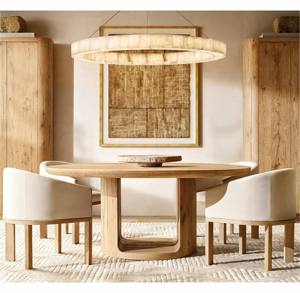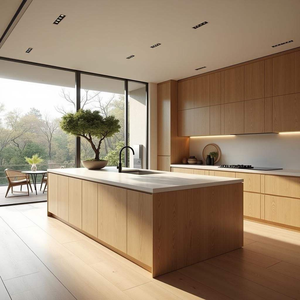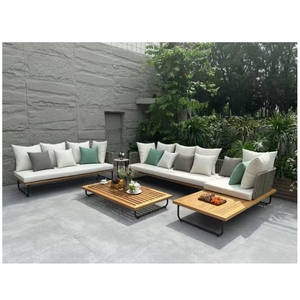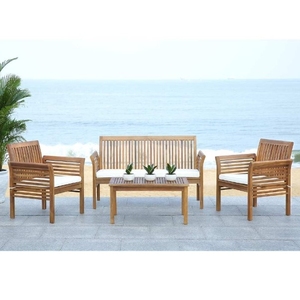
Manufactured to international contract-grade architectural tolerances. Available in SVLK-certified solid plantation teak and selected oak, dried specifically to 8%–10% moisture content to withstand North African microclimates.
Navigating the intersection of North African architectural aesthetics, severe hygroscopic climatic variation, and contract-grade factory manufacturing standards.
The Kingdom of Morocco possesses a unique bioclimatic profile. Coastal economic hubs like Casablanca, Tangier, and Rabat experience elevated maritime humidity and corrosive airborne salinity from the Atlantic Ocean and Mediterranean Sea. Conversely, inland cultural epicenters like Marrakech, Fes, and Ouarzazate endure intense Saharan solar radiation, severe diurnal thermal cycling, and relative humidity plunging below 20% in summer months.
Conventional European softwoods and standard temperate hardwoods (such as untempered oak or beech) frequently warp, cup, check, and delaminate under these extreme thermodynamic swings. Moroccan architects and general contractors turn to Indonesian plantation teak (Tectona grandis) manufactured by specialized export factories in Jepara, Central Java.
Teak contains an exceptional cellular density infused with natural tectoquinones (organic rubber-like extractive resins). This biochemical makeup creates natural waterproofing, zero susceptibility to dry-wood termites (*Kalotermitidae*), and extraordinary dimensional stability that resists warping in Moroccan riad courtyards and open-air luxury villas.
| Timber Species | Radial Shrinkage | Tangential Shrinkage | Morocco Performance |
|---|---|---|---|
| Indonesian Teak (Tectona grandis) | 1.5% | 2.5% | Superior (No checking/cupping) |
| Atlas Cedar (Cedrus atlantica) | 2.8% | 5.2% | Good, but scarce & prone to knots |
| European White Oak (Quercus robur) | 4.2% | 8.5% | Moderate (High swelling on coast) |
| Imported Maritime Pine (Pinus pinaster) | 4.6% | 9.0% | Poor (Severe Saharan shrinkage) |
From coastal Atlantic penthouses to historic medina riads and ultra-luxury desert eco-resorts, our custom cabinetry meets distinct regional project specifications.
The interior courtyards (Patios) and open living salons (Bhous) of Marrakech require millwork that withstands scorching summer dry heat and crisp winter desert nights.
Oceanfront penthouses in Ain Diab, Anfa, and Tangier Bay demand moisture-resistant cabinetry impervious to heavy salt air, continuous fog, and maritime expansion.
High-traffic international hospitality properties along Morocco’s southern coastline prioritize longevity, biophilic aesthetic continuity, and rapid contract installation.
Anticipating procurement surges driven by the 2030 FIFA World Cup hospitality expansion and modern Moroccan biophilic design movements.
With Morocco co-hosting the 2030 FIFA World Cup, hotel inventory across Casablanca, Rabat, Marrakech, Tangier, and Agadir is undergoing unprecedented development. Contract buyers demand container-scale factory millwork capable of adhering to rigorous 5-star brand schedules.
Contemporary Moroccan interior architects are moving away from heavily painted, gilded Arabesque motifs toward organic, raw, or warm honey-toned natural wood textures. Solid teak cabinetry pairs with hand-cut zellige tiles, polished tadelakt, and cast brass hardware.
Commercial builds under Morocco’s HQE (Haute Qualité Environnementale) and LEED hospitality certifications mandate legally logged, sustainably certified hardwoods. Our SVLK-certified plantation timber provides fully verified supply chain documentation recognized globally.
Rather than purchasing through expensive European brokers or relying on fragmented local workshops with inconsistent drying facilities, Moroccan developers are establishing direct B2B factory relationships in Jepara, securing 30%–45% capital expenditure savings.
Operating since 1995 on Jl. Raya Soekarno Hatta in Jepara, Central Java, Teratai Furniture bridges multi-generational Javanese woodworking mastercraft with state-of-the-art export engineering. We are deliberately organized as a specialized workshop and precision factory: large enough to deliver 40-foot high-cube project containers, yet agile enough to execute bespoke millwork to your exact shop drawings.
| Factory Capability | Teratai Jepara Workshop Standard |
|---|---|
| Timber Certification | 100% SVLK (Sistem Verifikasi Legalitas Kayu) Verified |
| Kiln-Drying Protocol | Computerized Dehumidification Chambers down to 8%–10% MC |
| Primary Joinery | Traditional Mortise & Tenon, Floating Dowels, Dovetails |
| Hardware Compatibility | Blum, Hettich, Hafele Euro-standard milling pre-drilled |
| Export Packaging | Foam edge-guards, 5-ply corrugated carton, internal desiccant bags, ISPM-15 heat-treated pallets |
| Moroccan Shipping | Semarang/Surabaya to Port Tanger Med or Casablanca Port |
Detailed answers regarding Moroccan customs clearance, Portnet registration, logistics lead times, timber legality, and commercial contract terms.
We supply a complete export documentation bundle tailored for Morocco's Single Window for Foreign Trade (PORTNET) and the Administration des Douanes et Impôts Indirects (ADII). This includes the Commercial Invoice (Facture Commerciale), Detailed Packing List (Liste de Colisage), Ocean Bill of Lading (B/L), Indonesian V-Legal / SVLK Timber Legality Certificate, Phytosanitary Certificate (Certificat Phytosanitaire), and Certificate of Origin (Certificat d'Origine). All HS codes (typically under Chapters 9403 for cabinetry and furniture) are pre-verified.
Cargo loaded at our Jepara workshop is trucked to Tanjung Emas Port (Semarang) or Tanjung Perak (Surabaya). Direct ocean transit to Port Tanger Med or Port of Casablanca takes approximately 30 to 36 days via major container carriers (such as CMA CGM, Maersk, or MSC), with a total door-to-port timeline typically under 45 days. We offer CIF (Coût, Assurance, Fret) or FOB terms based on your forwarder preference.
Standard Indonesian domestic furniture is typically dried to 14%–16% moisture content, which is disastrous for arid regions like Marrakech or Ouarzazate. For Moroccan export contracts, we subject all raw teak timber to extended, low-temperature vacuum kiln-drying cycles to achieve an 8%–10% moisture content (MC). This ensures the cabinetry wood cell walls achieve hygroscopic equilibrium with dry North African atmospheric conditions.
Yes. Over 70% of our workshop output is fully bespoke made-to-order manufacturing. You can provide architectural elevations, AutoCAD/DWG plans, or 3D renders. Our technical engineering team reviews structural spans, joint mechanics, and hardware boreholes, providing approved shop drawings before wood cutting begins.
For standard single or multi-container orders, commercial terms are a 30% advance deposit upon Proforma Invoice confirmation to initiate lumber kiln-drying and joinery. The 70% balance is payable upon production completion and issuance of the detailed factory QA/QC photographic inspection report, prior to container sealing. For institutional Moroccan contract volumes, Irrevocable Letters of Credit (L/C at sight) can be arranged.
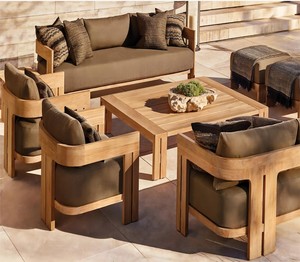
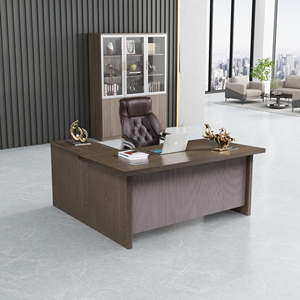
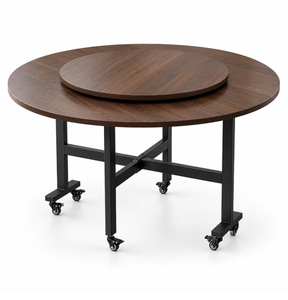
Absolutely. One of the principal benefits of working with Teratai Jepara is our flexibility. You can consolidate built-in kitchen cabinetry carcasses, vanity units, solid teak dining tables, outdoor lounge sets, and executive office desks inside a single 20ft or 40ft container without penalty. We provide volumetric CBM packing plans to maximize container cube utilization.
Direct from our Jepara workshop to Port Tanger Med or Casablanca. Send your architectural elevations, technical schedule, or preliminary product list to receive a factory-direct quotation within 24 hours.