
Architectural Millwork
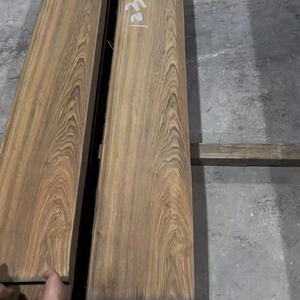
Luxury Burmese Teak Veneer Sheet Custom Made For High End Hotel Villa Interior Decoration
Quarter Cut Grain
Commercial Grade
Hotel & Villa
Customizable solid teakwood programs verified under SVLK sustainability protocols and compliant with US Lacey Act due-care mandates for New York importers, design firms, and general contractors.
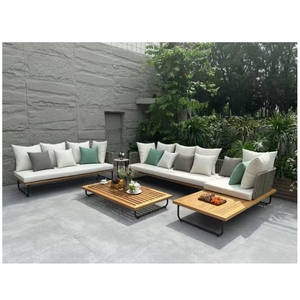
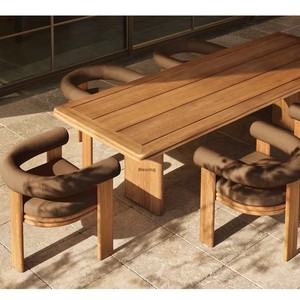
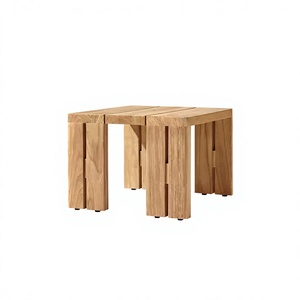
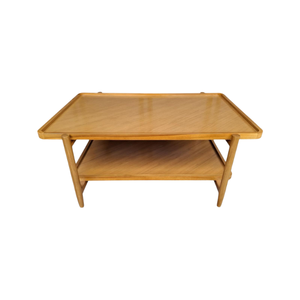
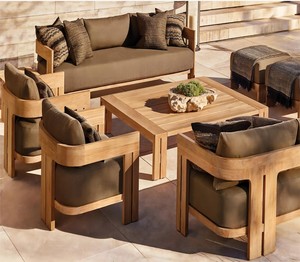
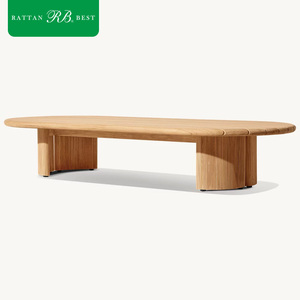
Specifying exterior and interior grade commercial furniture for New York projects involves navigating an extraordinarily harsh environmental and architectural nexus. From the wind-swept, microclimatic salt-fog exposure of Montauk and the Hamptons to high-load, soot-exposed rooftop hospitality spaces in Flatiron, SoHo, and Long Island City, commercial timber must endure aggressive atmospheric volatility. Furthermore, New York indoor environments subject hardwood installations to radical seasonal equilibrium moisture content (EMC) swings: severe dry winter indoor heating cycles dropping relative humidity below 20%, followed immediately by sweltering, humid summer conditions exceeding 85%.
Teratai Furniture—operating our family-owned workshop in Jepara, Central Java since 1995—bridges the technical divide between historic Indonesian wood craftsmanship and the stringent architectural performance criteria demanded by New York commercial specifiers. Rather than mass-manufacturing generic catalog items on high-speed lines, our OEM/ODM custom division optimizes timber selection, wood moisture equilibrium, internal joinery, and marine-grade mechanical fasteners to eliminate warping, dimensional checking, joint failure, and mold development under northeastern US climate stresses.
The Kiln-Drying Imperative for the Northeast Corridor: Standard tropical timber harvested and dried for Southeast Asian or Mediterranean deployment routinely fails in New York. If timber is shipped at 16%–18% moisture content, New York winter radiator heating extracts moisture within weeks, leading to catastrophic dimensional contraction, radial cracks along grain lines, and failed mortise joints. Teratai operates computer-monitored, multi-stage kiln drying lowering the core moisture of Tectona grandis to 10%–12% before precision machining, ensuring long-term structural stability across all four seasons.
Contract specifiers working across the Five Boroughs routinely compare Grade-A teak against powder-coated aluminum, thermally modified ash, and synthetic composites. The structural justification for genuine heartwood teak (Tectona grandis) lies in its natural cellular composition:
| Performance Metric | Grade-A Indonesian Teak (Teratai Standard) | White Oak / Domestic Hardwoods | Synthetic HDPE / Composite Lumber |
|---|---|---|---|
| Natural Tectoquinoe & Oil Content | Exceptionally High; acts as a natural waterproof hydrophobic barrier and antifungal agent. | Moderate to Low; requires routine chemical sealant coats against water intrusion. | Zero; petroleum-based polymer blend, impervious but prone to thermal expansion deformation. |
| Freeze-Thaw Shear Resistance | Superior flexibility and dense fiber retention prevent radial micro-fissuring during rapid freezing. | Moderate; vulnerable to deep checking if surface coatings wear down in freeze cycles. | Poor to Moderate; thermal expansion rates cause fastener pull-through under temperature swings. |
| BIFMA Commercial Load Factor | Exceptional tensile strength exceeding 1,000 N at mortise-and-tenon structural junctions. | High strength, but susceptible to moisture degradation if exposed continuously outdoors. | Variable; prone to creep and progressive sagging under sustained static commercial loads. |
| NYC Fire & Weather Aging Profile | Self-oxidizing outer patina to warm silver-gray; dense tight grain resists rapid ember propagation. | Discolors unevenly; turns dark and decays without frequent polyurethane or oil treatments. | Surface softening under summer UV radiant heat; generates petrochemical fumes under extreme heat. |
Specifying furniture for New York commercial developments is not merely an aesthetic endeavor; it is governed by rigid logistical constraints. Service elevators in pre-war landmark buildings throughout Midtown, Tribeca, and the Financial District often feature strict dimensional clearance ceilings of 84 inches and strict freight weight thresholds. Furthermore, street unloading permits from the NYC Department of Transportation (DOT) strictly limit dock time, rendering on-site assembly cumbersome and costly.
To overcome these metropolitan hurdles, our Jepara engineering facility offers OEM solutions designed around high-density knock-down (KD) joinery systems. Using custom-machined 316-grade stainless steel internal cam-bolts and concealed threaded inserts, our commercial lounge frames and communal conference tables can be effortlessly moved through narrow stairwells, hoisted up historic facade fire paths, and rapidly assembled on-site with zero compromise to commercial BIFMA rigidity.
From high-altitude urban wind tunnels to corrosive beachfront environments, our commercial custom teak programs are deployed across diverse regional settings.
Rooftop hospitality installations in Chelsea, the Meatpacking District, and Midtown experience severe wind shear conditions and prolonged solar radiation. Our weighted solid-teak modular sofas, heavy communal bar tables, and custom fluted cocktail pedestals provide ballast stability without relying on anchored deck perforations, ensuring compliance with strict building envelope warranties while resisting intense UV weathering.
Oceanfront estates, boutique resort patios, and beach club dining venues throughout Southampton, Montauk, and Greenport endure relentless saline ocean mists and damp maritime air. We combine kiln-dried Grade-A teak heartwood with marine-grade 316 stainless steel hardware, waterproof quick-dry foam seat pans, and open slatted profiles to guarantee complete drainage and defense against salt oxidation and fungal rot.
Adaptive reuse properties, converted industrial warehouses in DUMBO, Bushwick, and Long Island City demand versatile indoor-outdoor transitions. Our Japandi fluted tables, slatted dining arrangements, and bespoke banquet solutions maximize square footage in tight outdoor terraces and urban micro-patios, offering resilient durability against rapid foot-traffic cycles and frequent operational reconfiguration.
Boutique hotels, rural spa getaways, and eco-retreats in Kingston, Beacon, and Rhinebeck require authentic biophilic furniture that seamlessly integrates with pristine natural surroundings while withstanding sub-zero mountain winters. Our natural-grain consoles, live-edge dining slabs, and handcrafted solid teak deep-seating pieces integrate perfectly with stone and glass architectural palettes.
Midtown East and Hudson Yards commercial developments prioritize natural warmth, acoustic absorption, and sustainable ESG sourcing. Our high-grade Burmese and Indonesian teak architectural veneers, matched executive desks, and credenzas bring sophisticated organic textures into boardrooms, backed by certified origin documentation required for corporate LEED Gold interiors.
Luxury residential towers in Tribeca, West Village, and Williamsburg require residential elegance paired with contract-grade durability for shared sun decks, resident lounges, and private terraces. We fabricate tailored, made-to-order collections that withstand tenant misuse while matching the refined design language envisioned by project interior architects.
How progressive architectural firms, hospitality groups, and real estate developers are adapting their contract furniture specifications.
New York real estate investment trusts (REITs) and institutional hotel owners now mandate full ESG timber lineage. It is no longer acceptable to buy untraced tropical wood through intermediary brokers. Through our SVLK-verified workshop in Jepara, every log is government-tracked from state-certified sustainable plantations, providing comprehensive chain-of-custody documentation that passes strict US Lacey Act import reviews without customs friction.
Heavy, ornate, traditional colonial teak styling has been largely replaced in New York design studios by clean, Scandinavian-Japanese inspired aesthetics. Specifiers demand tactile fluted column legs, low-slung horizontal lounge profiles, softly radiused corners, and natural matte wire-brushed finishes that showcase the wood's organic medullary rays and amber heartwood grain without artificial high-gloss lacquers.
New York restaurants and rooftop bars must frequently alter their floor layouts between summer outdoor cocktail service and winter tenting or igloo structures. As a result, commercial furniture must feature manageable lifting weights without sacrificing solid-timber stability. Integrated concealed nylon glides, modular connective brackets, and stackable silhouette engineering are increasingly specified in contract RFPs.
Thirty years of operational expertise delivering bespoke, certified furniture from Central Java to global trade ports.
Founded in 1995 on Jl. Raya Soekarno Hatta in Jepara, our core team of 4 master joiners, 5 artisanal finishers, and dedicated scalable sanding staff crafts your order directly—eliminating trading markups and communication gaps.
Every commercial production batch undergoes two dedicated QC inspections verifying moisture content, mortise-and-tenon tolerances, flush drawer slides, and sanding perfection before a single protective layer of export packaging is applied.
While 20ft FCL container loads represent our core shipping rhythm (4–6 week production cycles), we actively support mixed orders and LCL consolidation when project CBM warrants, coordinating seamlessly with your freight forwarding partners.
Send hand sketches, CAD elevations, or architectural tender packages. We produce precise shop production drawings, physical wood and finish swatches, and full-scale pilot units for client sign-off prior to volume manufacturing.
Direct, transparent answers regarding compliance, shipping schedules, commercial warranties, and custom engineering.
Every shipment from our workshop is certified under Indonesia's national legal timber verification system (SVLK - Sistem Verifikasi Legalitas Kayu) and V-Legal export declarations. This documentation provides a traceable legal chain-of-custody verifying non-endangered plantation origin, completely meeting US Department of Agriculture (USDA) Animal and Plant Health Inspection Service (APHIS) and US Lacey Act import standards.
We exclusively select mature Grade-A heartwood rich in natural silica and antiseptic tectoquinones, which actively repel water absorption during freeze-thaw cycles. Combined with multi-stage computerized kiln-drying down to 10%–12% moisture content and solid 316-grade marine stainless steel fasteners, our furniture will not experience joint cleavage, rot, or severe dimensional cracking when exposed to freezing northeastern winters.
Our workshop fabrication cycle is strictly 4 to 6 weeks per 20ft container from shop-drawing approval and initial deposit. Ocean freight transit from Semarang Port (Tanjung Emas) to the Port of New York & New Jersey (Port Newark / Elizabeth Marine Terminal) typically requires 28 to 35 days, allowing specifiers to confidently forecast a comprehensive 9-to-11 week order-to-dock timeline.
Yes. We regularly design contract pieces with knocked-down (KD) internal architectural joinery. Long dining tables, sectional outdoor frames, and heavy storage consoles are engineered into modular components using flush-mounted structural hardware that easily pass through standard 36" commercial doors and 80" pre-war service elevator cabs, reassembling rigidly on-site.
We provide three primary finish tiers: (1) Raw, finely sanded natural teak that oxidizes naturally to a distinguished silver-gray patina; (2) UV-inhibited marine natural oil finishes that enhance golden-brown tones while sealing against alcohol and acid food stains; and (3) Heavy-duty matte commercial polyurethanes or opaque duco lacquers formulated specifically for high-frequency cleaning protocols.
For standard contract orders, terms are structured with a 30% production deposit upon final approval of technical CAD drawings and finish samples. The remaining 70% balance is released following thorough internal dual-inspector QC verification—supported by complete high-resolution photographic and video audit documentation—prior to container sealing and bill of lading release.
Partner directly with our Jepara workshop leadership. Send your architectural drawings, tender packages, or volume BOMs for prompt technical review, detailed shop drafting, and transparent container-direct pricing.