
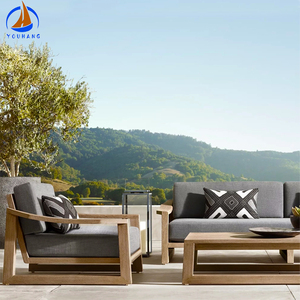
Direct workshop manufacturing in Jepara using 100% kiln-dried reclaimed and plantation teakwood, verified legal under national timber traceability standards.
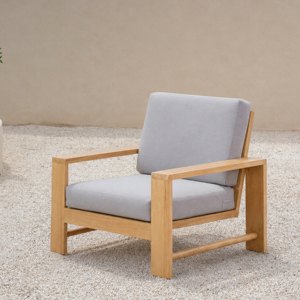
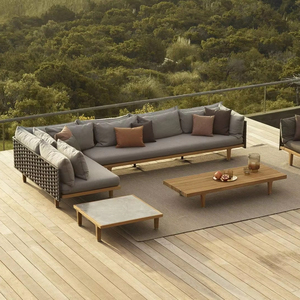
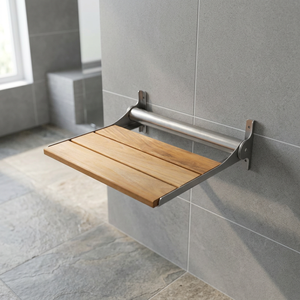
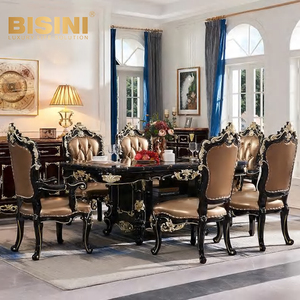
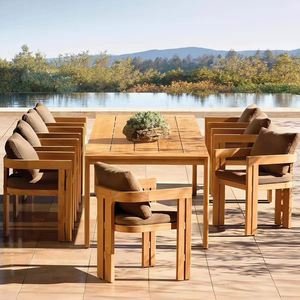
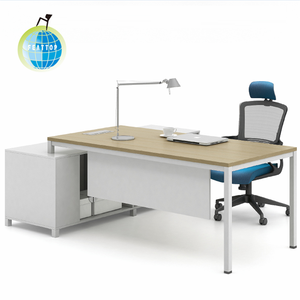
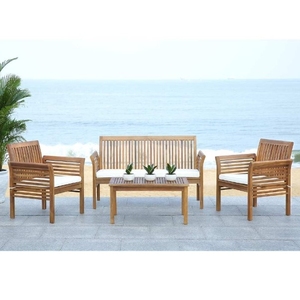
Importing tropical wood into Uzbekistan requires an uncompromising technical approach. The regional climate of Uzbekistan presents extreme hydrothermal volatility, moving from blistering summer peaks exceeding +45°C in the Kyzylkum desert margin to harsh winter lows below -15°C in Tashkent and Fergana. Standard mass-produced timber inevitably fractures, checks, and cups when subjected to such violent relative humidity transitions.
Old-growth reclaimed teakwood (Tectona grandis) provides the definitive structural remedy. Derived from historical structural beams, vintage Javanese architectural dwellings, and heritage infrastructure dating back decades, our reclaimed timber exhibits a closed cellular structure that cannot be replicated by accelerated plantation logging.
By engineering mortise-and-tenon joints with intentional microscopic expansion thresholds, our factory ensures each dining table, console, and lounge setting breathes naturally without compromising mechanical integrity.
| Metric | Jepara Reclaimed Teak | Standard Pine / Softwood |
|---|---|---|
| Janka Hardness | 1,070 lbf (Dense core) | 380–420 lbf |
| Natural Tectoquinoe | High (Rot/Termite Proof) | None (Chemical Dip Req.) |
| Volumetric Shrinkage | 5.3% (Extremely Stable) | 12.4% (Prone to Warp) |
| Central Asia Lifespan | 50+ Years Unaltered | 3–5 Years with Cracking |
From prestigious state developments within Tashkent City to boutique heritage conversions along the ancient Silk Road, Teratai Furniture supplies high-durability timber assets built for rigorous commercial utilization.
Architects specifying private estates in Mirzo-Ulugbek and Yakkasaray require authentic, statement-piece hardwoods. Our reclaimed teak dining tables (seating 10 to 14 guests) and executive manager desks bring organic heritage and timeless stability into high-ceilinged modern architectural salons.
Uzbekistan’s exponential tourism expansion has generated unprecedented demand for luxury caravanserai restorations. Our solid teak and genuine mahogany lounge suites integrate effortlessly with local ceramic tiles (majolica) and carved plasterwork (ganch), resisting heavy guest turnover.
Summertime outdoor dining along urban boulevards demands patio furnishings that will not degrade under direct UV radiation. The intrinsic resin and natural oil saturation of aged Javanese teak prevents thermal bleaching, offering zero-rot dependability for open-air venues.
Analyzing key structural shifts shaping commercial and luxury residential furniture procurement within Uzbekistan over the next business decade.
Historically dominated by Turkish and Russian synthetic laminates or MDF imports, the high-end residential sector in Tashkent is aggressively migrating toward certified solid hardwoods. Discerning clients recognize that thin veneers delaminate during dry continental winters, establishing genuine teak as an enduring prestige asset.
Modern hospitality developments in Central Asia prioritize hybrid ergonomics. Combining powder-coated commercial aluminum frameworks with weathered reclaimed teak slats guarantees lightweight mobility for patio setups while sustaining maximum resistance against high wind and sandstorm abrasion.
International corporate offices, foreign embassies, and global hotel flags (Hilton, Marriott, InterContinental) entering Uzbekistan mandate documented sustainability credentials. Sourcing SVLK-certified timber ensures that institutional buyers remain compliant with global anti-deforestation protocols.
Teratai Furniture is an established family-owned manufacturer operating directly from Central Java’s premier woodworking cluster on Jl. Raya Soekarno Hatta KM.5. Unlike commercial trading houses that broker containers without mastering the underlying physics of timber, we operate an active production floor complete with dedicated joiners, hand carvers, finishing specialists, and on-site quality assurance inspectors.
Over three decades, our factory has supplied major container-volume importers across the United States, Germany, and New Zealand. We bring this seasoned technical rigor directly to our trading relationships in Uzbekistan.
Factory Capabilities at a Glance:
Clear, direct answers regarding multimodal freight, legal compliance, humidity stabilization, and commercial billing terms.
Uzbekistan is a double-landlocked market. We package goods in five-layer corrugated export cartons with edge guards and foam liners, loading containers at our Jepara workshop. Shipments transit from Tanjung Emas Port (Semarang) to major regional multi-modal hubs (such as Bandar Abbas, Iran, or Chinese transshipment railheads), continuing via bonded rail directly to Tashkent dry ports (Chukursay/Sergeli).
The standard Indonesian moisture content (14%–18%) is unsafe for Uzbekistan's arid interior. We subject all timber to secondary specialized kiln schedules, lowering moisture levels to 8%–10% EMC. Additionally, joints are assembled using high-tensile waterproof polyurethane glues and mechanical floating tenons that accommodate dimensional movement.
Every commercial consignment includes complete export documentation: Bill of Lading (B/L), Commercial Invoice, Packing List with accurate CBM, Certificate of Origin (COO), Phytosanitary Fumigation Certificate (essential for customs clearance), and mandatory Indonesian V-Legal / SVLK Timber Legality certification.
Our standard volume optimization is one 20ft container (approx. 28–30 CBM), which is the most freight-efficient threshold. However, for interior designers or boutique developers needing smaller batches, we accommodate Less-than-Container Load (LCL) orders that can be consolidated with your existing Indonesian cargo.
Yes. Custom manufacturing represents more than 60% of our daily production. You may provide a sketch, high-resolution rendering, or full AutoCAD / PDF shop drawings. Our master craftsmen interpret joinery details, provide structural feedback, and submit wood samples for written confirmation prior to cutting.
Standard enterprise orders require a 30% initial deposit upon shop drawing approval. The remaining 70% balance is payable upon production completion, following comprehensive high-resolution photo/video QA inspection reports and before container sealing. Third-party physical inspection agencies are always welcome at our Jepara workshop.
Initiate direct communication with our manufacturing engineering team. Whether you are finalizing a tender for a Tashkent hotel or curating a boutique residential collection, we provide comprehensive project quotes and wood stabilization schedules.
Inquire Now