
Educational & Studio
Engineered to withstand climatic variations while preserving the organic warmth of sustainably harvested Indonesian timber.
A rigorous examination of material science, environmental regulations, and cultural design metrics required for B2B procurement in Japan.
Japan experiences dramatic relative humidity differentials between the summer rainy season (Tsuyu, exceeding 80% RH) and winter interior climates dehumidified by air-conditioning systems (dropping below 30% RH).
Exporting solid teak into this environment requires dual-cycle de-humidification kiln-drying, calibrating timber equilibrium moisture content specifically to 8% to 10%. This prevents grain surface checking, checking along joinery lines, and structural warping.
Enacted to eliminate illegally harvested timber from entering Japan's supply chain, the Clean Wood Act mandates verifiable chain-of-custody documentation across every procurement phase.
Our workshop processes strictly incorporate Indonesia’s SVLK (Sistem Verifikasi Legalitas Kayu) state-audited system. Every batch shipped from the Port of Tanjung Emas (Semarang) is accompanied by V-Legal certifications verifying Perum Perhutani legal plantation origin.
Indoor Air Quality (IAQ) regulations under the Japanese Building Standard Law impose strict chemical release restrictions, particularly surrounding volatile formaldehyde compounds.
We formulate joinery bonding agents and protective finishes to meet or exceed F-Four Star (F☆☆☆☆) non-detectable off-gassing standards, ensuring eligibility for unhindered specification in residential, educational, and hospitality developments.
| Engineering Parameter | Standard Tropical Production | Japan-Export Technical Standard | Impact on Long-Term Reliability |
|---|---|---|---|
| Kiln-Dried Moisture Content (MC) | 14% – 18% (Ambient Air/Solar) | 8% – 10% (Automated Steam-KD) | Eliminates structural cracking during winter dry-heat conditions in Japanese high-rise apartments. |
| Joinery Mechanical Interlock | Face screws, standard nails, basic glue joints | Blind Mortise & Tenon, internal doweling | Prevents racking or joint splitting under micro-seismic vibrations and continuous load bearing. |
| Surface Sanding Granularity | 180 – 240 Grit surface pass | Multi-stage to 400+ Grit, hand-eased edges | Provides silk-touch tactile feel demanded by Japanese consumers; prevents skin irritation and splintering. |
| Hardware & Fasteners | Standard zinc-plated commercial steel | Grade 304/316 Stainless or Japanese-spec fittings | Zero oxidation or staining in humid coastal resorts (Okinawa, Shonan) and onsen damp environments. |
| Packaging Safeguards | Single-layer corrugated wrap | Multi-ply foam, desiccants, heavy edge-guards | Protects pristine hand-finished timber against salt spray, container sweating, and transit shocks. |
Examining how high-performance solid teak seamlessly integrates into specific structural typologies throughout the Japanese archipelago.
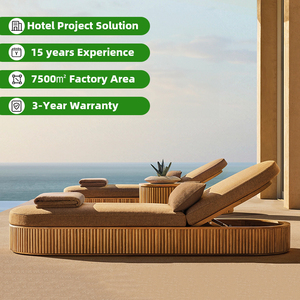
Modern luxury hot spring ryokans require materials that harmonize with traditional Sukiya-zukuri architecture while surviving extreme moisture and thermal cycles. High natural teak oil resins provide intrinsic resistance against mold, humidity, and mild sulfur steam on private bath decks and open-air verandas (Engawa).
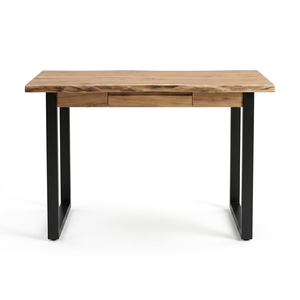
Condominium living within Tokyo's 23 wards and central Osaka necessitates smart ergonomics. Standard Western furniture dimensions frequently overwhelm Japanese 55m² to 80m² layouts. We manufacture scaled consoles, slim-depth writing desks, and modular storage pieces tailored to Japanese structural grid dimensions (Jou and standard door clearances).
From the subtropical salt-air winds of Ishigaki and Naha to the freeze-thaw snow cycles of Nagano, outdoor furniture must survive intense climatic stress without splitting. Our Grade-A plantation teak sets use cross-grain slotted construction that accommodates seasonal wood movement without buckling.
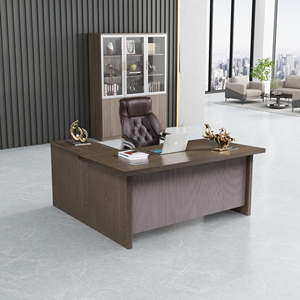
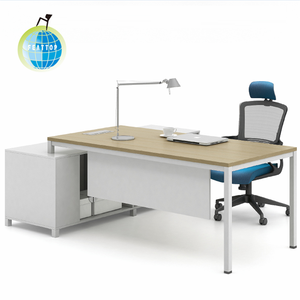
As Japanese conglomerates transition from sterile, metal-dominated office planning toward warm, human-centric wellness spaces, solid teak provides tangible biophilic benefits. Executive desks and board tables convey gravitas and permanence while integrating cleanly with modern architectural cable-routing infrastructure.
Lifestyle retailers in Daikanyama, Omotesando, and Kobe demand furniture that withstands intense daily pedestrian traffic while projecting organic authenticity. Indonesian teak offers high surface hardness (Janka rating ~1,070 lbf) paired with an understated golden luster that complements exposed concrete, brass, and washi paper accents.
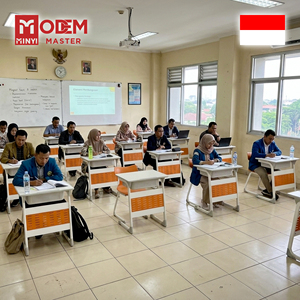
Educational and training furniture requires structural resilience combined with total absence of sharp edges or toxic chemicals. Every school and studio desk produced in our workshop features rounded chamfers (R-edge rounding), non-toxic glue lines, and counter-sunk fasteners to safeguard student environments.
How the evolution of Japanese consumer preferences and supply chain strategies shapes direct factory partnerships in Jepara.
While the initial wave of Japandi design focused primarily on light white oak and pale ash, Japanese high-end specifiers are increasingly pivoting toward richer, warmer tones of mature teak. This aesthetic combines Scandinavian functional simplicity with Japanese shibui (subtle, unobtrusive beauty). Buyers favor natural matte finishes that celebrate growth rings, organic knot structures, and the natural tactile grain of Indonesian hardwood rather than heavily tinted synthetic stains.
Traditional Japanese distribution involved multi-tiered brokerage layers spanning general trading houses, specialized importers, and regional wholesalers. Confronted with currency exchange volatility and consumer demand for transparent craftsmanship, leading Japanese retailers and contract furnishing teams now partner directly with certified workshops in Jepara. This shift shortens lead times, enables precision custom dimensioning, and preserves margin structures.
The "throwaway furniture" era is rapidly retreating in Japan, driven by eco-conscious demographic trends and municipal recycling surcharges. Specifiers increasingly look for furniture that can be sanded down, re-oiled, and repaired over decades of service. Solid Indonesian teak—with its high density, rot resistance, and mechanical repairability—satisfies this circular economy ethos far better than veneered MDF or composite panels.
Unlike North American volume buyers who order single SKUs by the forty-foot container, Japanese design firms typically manage multi-room projects or curated seasonal boutique releases. The demand is heavily tilted toward factories capable of loading mixed 20ft Full Container Loads (FCL) or high-care Less than Container Load (LCL) consignments, pairing multiple casegoods, seating lines, and custom tables without punitive minimums.
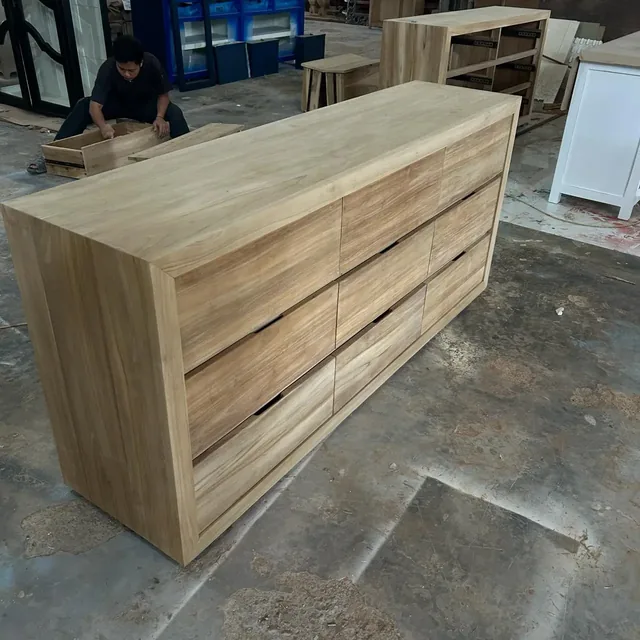
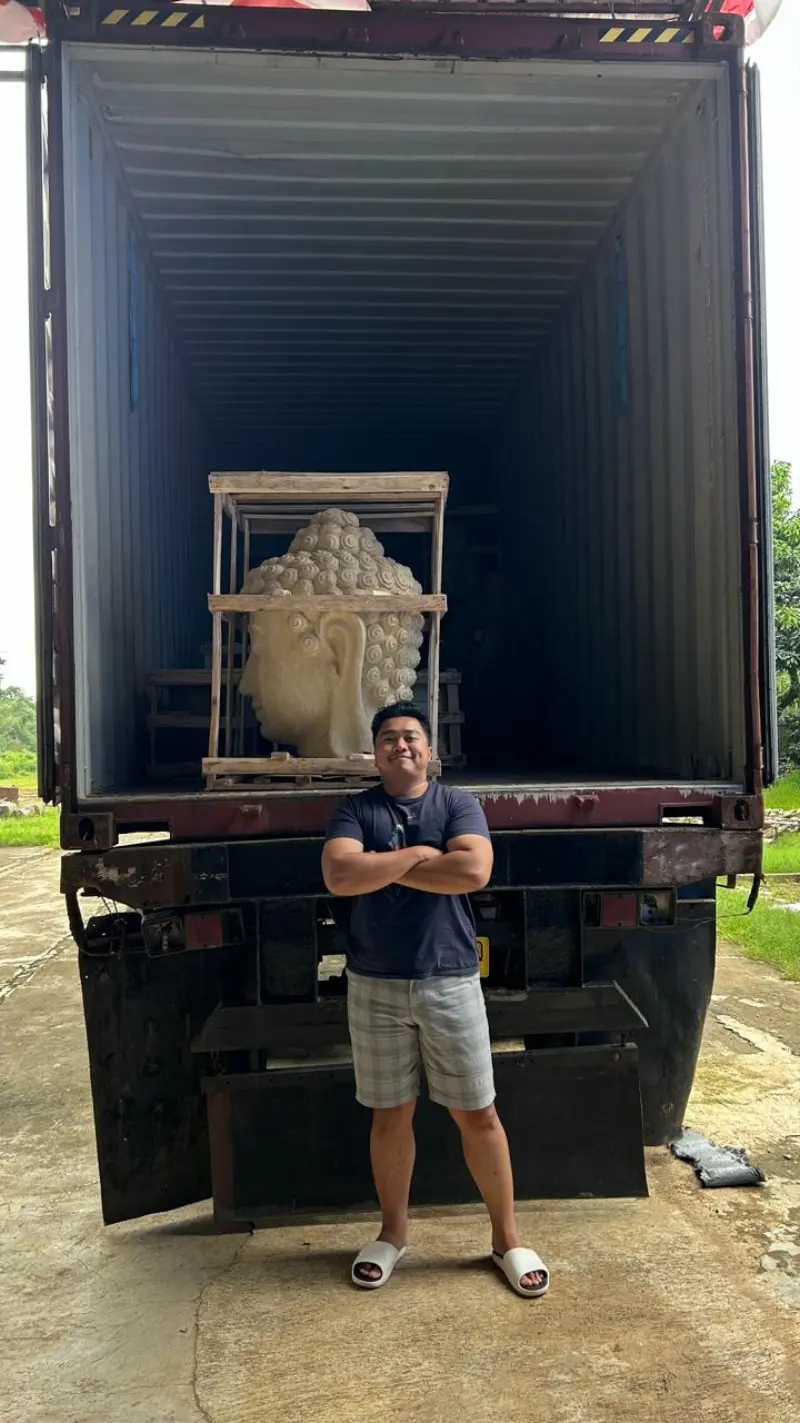
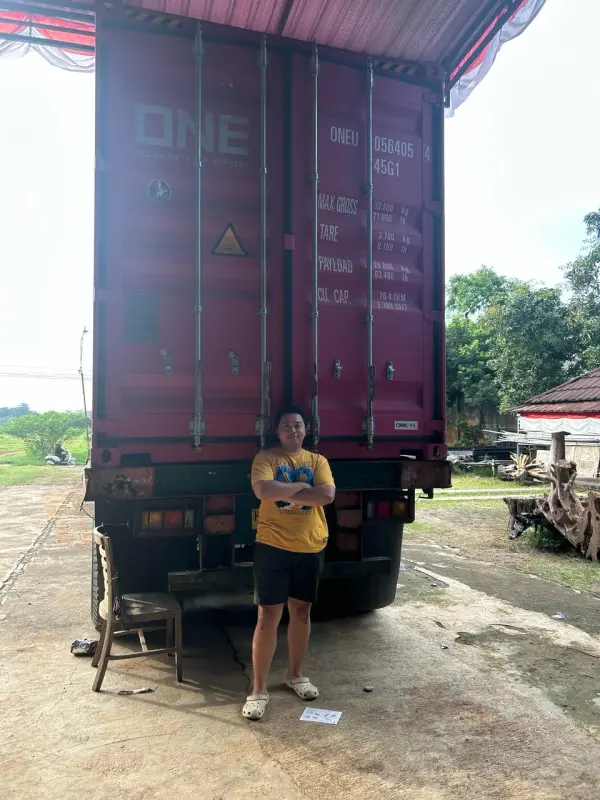
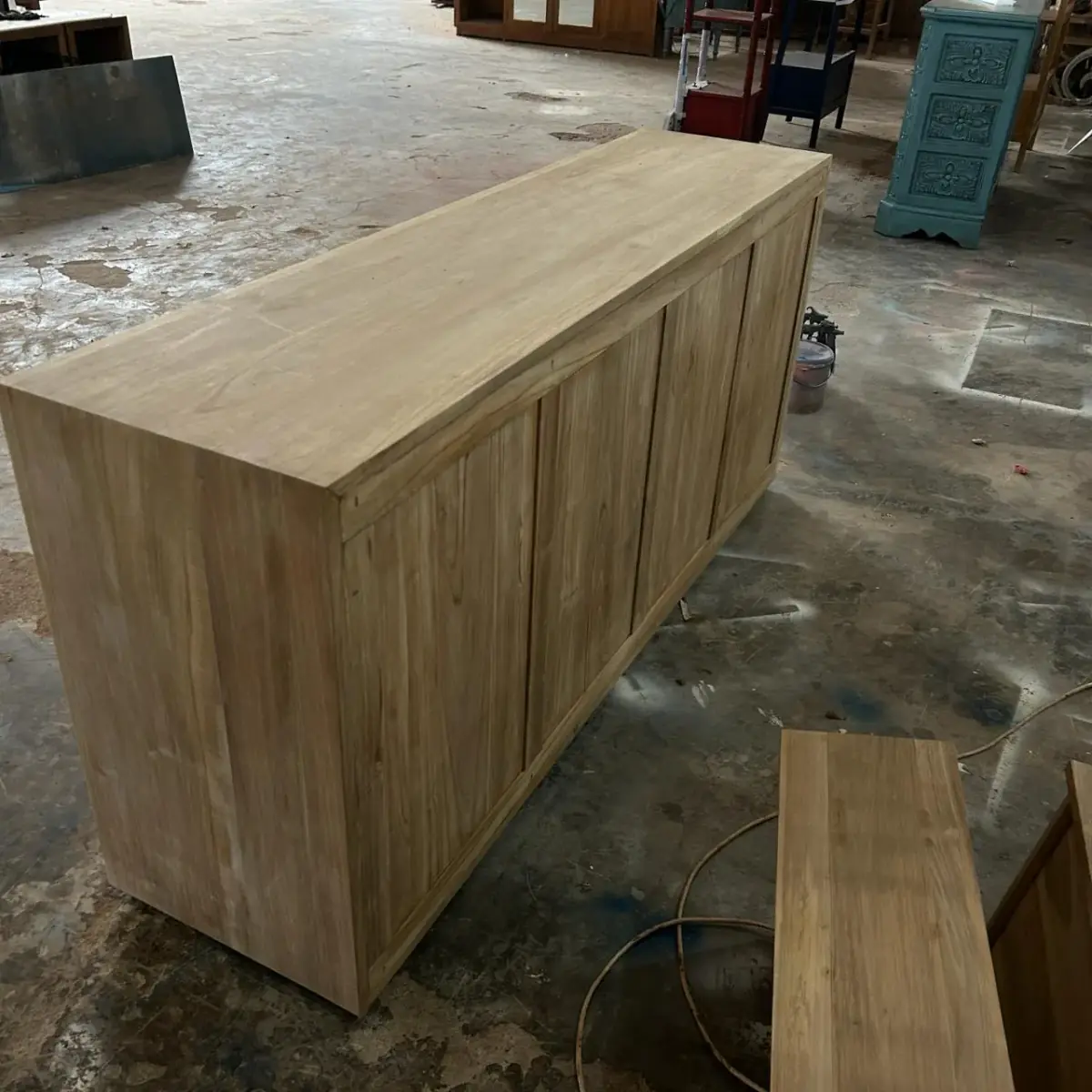
Teratai Furniture is a multi-generational family manufacturing workshop located on Jl. Raya Soekarno Hatta in Jepara, Central Java—the historical heartland of Indonesian woodworking art. Operating continuously since 1995, we maintain a deliberate, specialized scale: four master carvers and woodworkers, five finishing artisans, and two dedicated QA/QC staff, supplemented by an elastic sanding team calibrated to order volumes.
Unlike massive industrial production plants focused on single-SKU plastic and veneer assembly, our workshop provides the agility, personal oversight, and millimeter-precise dimensional customization demanded by Japanese architects, retail buyers, and hospitality project managers.
Comprehensive answers regarding technical specifications, compliance, sea freight logistics, and factory inspections.
Solid wood cracking in Japan is almost universally caused by timber dried to ambient tropical levels (14%–18% moisture content) entering spaces heated by central HVAC systems where relative humidity plummets below 30%. We counteract this through systematic dual-phase kiln drying, holding timber in moisture-controlled conditioning chambers until core reading levels reach a verified 8% to 10%. Furthermore, we employ floating panel joinery, slotted tabletop expansion cleats, and non-rigid relief slots on broad timber surfaces to allow micro-expansion and contraction without structural fracture.
Yes. All timber processed in our Jepara facility is legally harvested and verified under Indonesia's national SVLK (Sistem Verifikasi Legalitas Kayu) program, which is fully recognized by Japan's Forestry Agency under the Clean Wood Act. Prior to container loading, we generate government-audited V-Legal certifications, detailed packing declarations, and commercial documentation specifying the exact botanical origin (Tectona grandis) and concession boundaries. This documentation ensures seamless clearance through Japanese customs authorities.
Our core commercial baseline is one 20ft container (approximately 28–30 CBM), which is the most economically viable threshold for sea transport from Indonesia to Japan. However, because we operate as a specialized family workshop rather than an inflexible mass-production factory, we actively welcome mixed product orders within the same container. Japanese buyers frequently combine dining tables, consoles, lounge seating, and accent pieces across various finishes in a single shipment. We can also accommodate LCL (Less than Container Load) consignments when consolidated with your other regional suppliers.
Yes. We formulate and procure finishing systems specifically for export compliance with Japanese Indoor Air Quality standards. Our finishing lines utilize water-based low-VOC primers, polyurethane sealers without added formaldehyde, and plant-based natural wax/oil coatings. For hospitality or commercial residential projects requiring verified F☆☆☆☆ certifications or specific test reports from accredited testing laboratories, we can provide third-party verification data prior to project execution.
Typical production duration for a 20ft container of handcrafted solid teak furniture is 4 to 6 weeks from technical shop-drawing sign-off and deposit receipt. Shipping originates from our workshop in Jepara, transferring via bonded road transport to the international container terminal at Tanjung Emas Port in Semarang. From Semarang, container feeder vessels connect via Singapore or direct transshipment lanes to major Japanese destination ports including Tokyo, Yokohama, Nagoya, Osaka, and Kobe, with typical ocean transit times averaging 14 to 22 days.
We deploy a two-tier internal QA/QC protocol. First, during rough assembly, our QC personnel inspect timber grain orientation, tenon depth, and moisture readings across all component parts. Second, following final finishing, every unit undergoes complete dry-fit assembly, drawer glide testing, level-balance checks on granite surface plates, and high-intensity surface inspection under cross-lighting to detect any swirl marks, micro-chips, or uneven sheen. On multi-container contracts, comprehensive photographic and video QC reports are submitted to the buyer for formal approval before container loading commences.
Ocean transit from the equatorial tropics to East Asia involves significant atmospheric shifts that can induce "container rain" (condensation dripping from shipping container ceilings). To safeguard your furniture, all finished pieces are wrapped in closed-cell EPE protective foam, fitted with reinforced double-corrugated corner armor, and encased in water-resistant poly-sheeting. We distribute high-capacity silica gel desiccant bags throughout the container volume to maintain low relative humidity during the entire maritime voyage.
Absolutely. We welcome Japanese buyers, interior designers, and sourcing specialists to inspect our facilities firsthand. Our workshop is located at Jl. Raya Soekarno Hatta KM.5 No.95, Jepara, Central Java, and is open daily from 08:00 to 16:00 WIB. We can coordinate regional ground transport from Ahmad Yani International Airport (SRG) in Semarang (approximately a 2-hour drive to Jepara) and arrange technical consultations covering timber selections, finishing mock-ups, and live joinery tests.
Whether you are preparing a multi-container hotel fit-out, sourcing bespoke pieces for luxury residential projects, or expanding your retail collections, connect directly with our workshop engineering team today.