
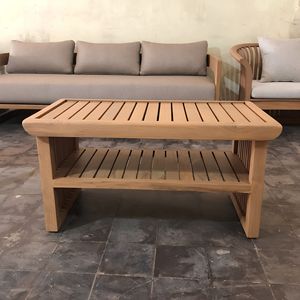
Precision-milled tropical hardwood seating and complementary spatial fixtures optimized for indoor-outdoor architectural continuity, seismic resilience, and four-season atmospheric resilience.
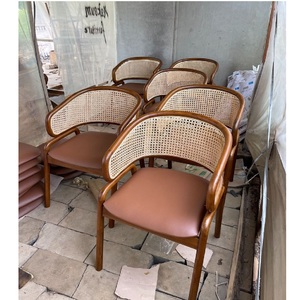
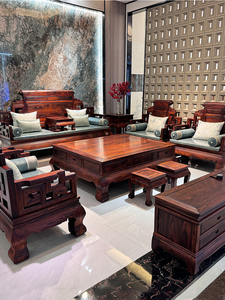
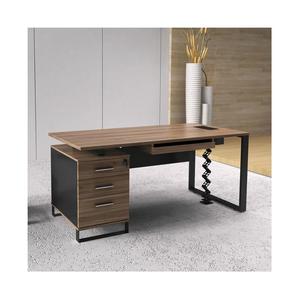
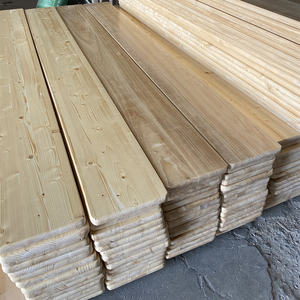
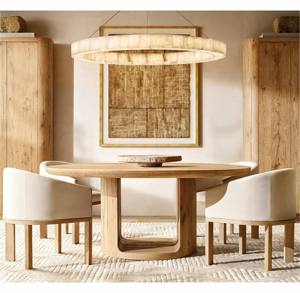
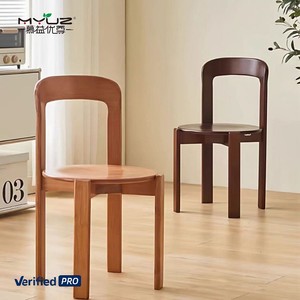
Bridging traditional Japanese spatial restraint (Ma, 間) and tropical material performance across Kanto’s premier commercial and multi-dwelling developments.
Urban hospitality rooftops in Roppongi, Toranomon, and Shibuya encounter intense UV exposure during summer followed by rapid wind chills. Solid Indonesian teak (Tectona grandis) contains an exceptional natural oil content, preventing slatted seating and deep low-profile lounge frames from warping, surface checking, or leaching tannins onto pristine stone and porcelain tiled terraces.
High-tier hotels in Ginza and hybrid hot-spring retreats in Hakone/Karuizawa catering to discerning Tokyo clientele merge classic veranda concepts with modern teak low-slung seating. Natural unfinished or soft matte polyurethane coatings honor wood grain while resisting thermal swings caused by geothermal steam and intensive indoor heating during the winter months.
Independent commercial retail spaces and design ateliers in Daikanyama and Omotesando demand seating that unifies Scandinavian simplicity with organic tropical warmth (Japandi aesthetic). Our precision-carved mortise-and-tenon joinery withstands constant high foot-traffic rotation without loosening, micro-wobble, or structural creep over years of daily patron use.
Exporting plantation-grown hardwoods from Central Java (average relative humidity: 75%–85%) into the dynamic Japanese climate (fluctuating from 80%+ RH during the June Tsuyu rainy season to below 25% RH in centrally heated Tokyo office environments during January) necessitates strict moisture discipline.
Standard Indonesian domestic moisture content (14%–16%) causes longitudinal cracking in dried Tokyo interiors. Teratai incorporates automated computer-controlled dehumidification kiln drying, stabilizing core timber moisture to a calibrated 8%–10% MC prior to precision surface tooling.
We forgo chemical-heavy adhesive shortcuts in favor of deep blind mortise-and-tenon joints, fortified with marine-grade exterior-rated wood glues and interior expansion gaps. Seating frames absorb micro-shifts induced by seasonal humidity cycles without joint rupture or audible squeaking.
In accordance with Japanese Building Standard Law F☆☆☆☆ (Four-Star) low-formaldehyde mandates, our finishes—whether water-based exterior penetrative oils, hardwax oils, or ultra-thin matte polyurethanes—are fully certified to emit zero hazardous off-gassing in sealed residential or commercial interior envelopes.
Key strategic shifts across Japanese commercial architecture, general contractor specifications, and trade import frameworks.
Tokyo corporations in Marunouchi and Otemachi are replacing rigid task seating in collaboration zones with semi-reclined solid teak lounge chairs. Combining ergonomic back rests with natural timber surfaces reduces sensory fatigue and bridges residential hospitality comfort with institutional stability.
Enacted by Japan's Forestry Agency, the Clean Wood Act mandates verifiable proof that imported timber originates from legally harvested concessions. Teratai provides complete V-Legal / SVLK Chain-of-Custody (CoC) audit documentation, eliminating import customs bottlenecks at the Port of Tokyo or Yokohama.
To counter Yen currency volatility, Tokyo developers are bypassing multi-layer trading houses (Shosha) to partner directly with primary family workshops in Jepara, securing OEM bespoke sizing, predictable container-level pricing, and uncompromising build supervision.
Disposable contract furniture has fallen out of favor. Tokyo specifiers prioritize sustainable, long-lifecycle Tectona grandis hardwood that patinas gracefully to an authentic silver-grey or can be sanded back to a warm golden honey tone across decades of multi-lease operational cycles.
Founded on Jl. Raya Soekarno Hatta in the artisan woodworking capital of Indonesia, Teratai Furniture is a family-operated manufacturing atelier dedicated to made-to-order architectural woodwork. With our team of dedicated master craftsmen, precision finishers, and rigorous in-house QA/QC managers, we have delivered container-grade solid teak and mahogany collections across three decades to high-standard markets in Germany, New Zealand, and the United States—now expanding direct factory access to Tokyo developers, hoteliers, and interior designers.
Direct commercial, technical, and regulatory answers for architectural buyers and wholesale importers.
Every export consignment leaves our Jepara workshop accompanied by official Indonesian SVLK (Sistem Verifikasi Legalitas Kayu) certification and V-Legal documentation. These credentials verify that all timber is sourced through monitored, sustainable plantation concessions under Indonesia's Ministry of Environment and Forestry, fulfilling all due diligence criteria under Japan's Clean Wood Act for commercial resale.
We ship regularly via Tanjung Emas Port (Semarang, Central Java) direct to the Port of Tokyo (Aomi/Ohi terminals) or Port of Yokohama. Standard options include Full Container Loads (20ft FCL ~28-30 CBM or 40ft HC ~65-68 CBM). For boutique hospitality runs or residential mock-ups, we support LCL (Less than Container Load) palletized consolidation via Surabaya or Jakarta or cross-consolidation with your existing Indonesian suppliers.
Yes. Teratai operates as a specialized made-to-order manufacturing workshop. You can provide technical CAD elevations, 3D models, or hand sketches specifying customized seat heights (adjusted for Japanese ergonomic standards, commonly 380mm–420mm), frame widths, or joinery profiles. We provide physical timber finish swatches—ranging from raw sanded teak to matte urethane, duco lacquer, or non-toxic UV-stabilized exterior oils—for designer sign-off before manufacturing commences.
Our independent in-house QA/QC supervisors inspect every individual piece across three gates: (1) structural joinery and frame squareness, (2) automated moisture content pin-checks at multiple points, and (3) surface sanding grit consistency (up to 320-grit for touch surfaces) and coating uniformity. Comprehensive high-resolution photo and video inspection dossiers are submitted to the client for formal sign-off before balance remittance and container loading.
Typical production runtimes for an initial 20ft container range between 4 to 6 weeks, contingent on design intricacy and specific custom finish curing times. Our commercial payment structure is transparent: a 30% advance deposit upon order formalization and technical shop-drawing sign-off, with the 70% balance payable upon approved photographic QA inspection prior to factory container sealing.
Connect directly with our master woodworking workshop in Jepara. Discuss bespoke dimensions, request material timber swatches, or submit bill-of-quantities (BOQ) for prompt container-level wholesale quotations.