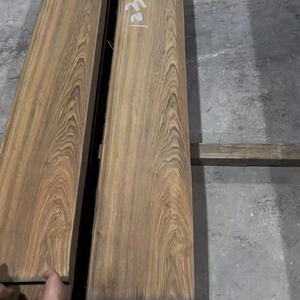
Each unit is precision-engineered from SVLK-certified legal timber, conditioned to resilient moisture levels for the East African Rift Valley, and shipped direct from our Jepara workshop via Port of Djibouti.
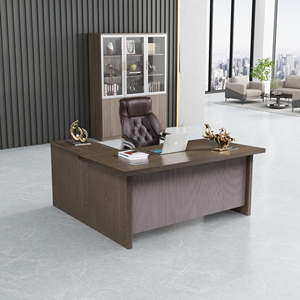
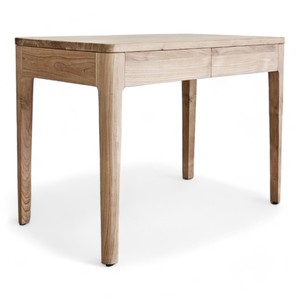
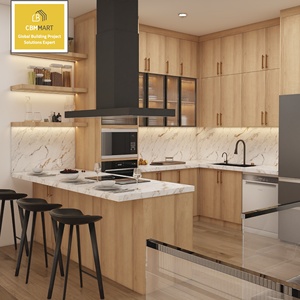
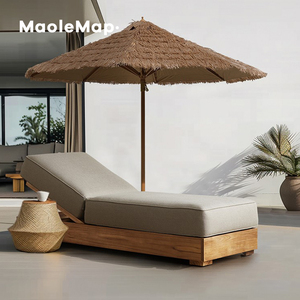
Designing architectural solid wood cabinetry for the Horn of Africa requires strict metallurgical and botanical calculations. Ethiopian urban centers, notably Addis Ababa at an elevation of 2,355 meters, present sharp atmospheric humidity gradients that compromise standard European or East Asian mass-produced case goods.
Addis Ababa experiences an intense dry season (Bega) juxtaposed against severe monsoon deluges (Kiremt). Ordinary solid timbers fluctuate between expansion and contraction, producing longitudinal stress tears and structural panel warp. Teratai conditions its mature Tectona grandis using computerized dual-phase kiln schedules down to 8%–10% core moisture, stabilizing the internal cell structure against highland altitude pressure drops before sea transit.
Unlike generic flat-pack MDF sideboards that delaminate under seasonal vapor changes, our workshop executes heritage mortise-and-tenon framing paired with tongue-and-groove floating central panels. Back panels and solid drawer boxes utilize elongated oval screw-slots and hand-turned brass hardware, permitting micro-movement along the transverse grain without stressing primary exterior carcasses.
All raw lumber holds full verification under Indonesia's mandatory SVLK (Sistem Verifikasi Legalitas Kayu), ensuring smooth clearance at the Ethiopian Customs Commission (ECC). Our multi-layer finishes—ranging from solvent-free natural matte oils to cross-linked industrial melamine—protect horizontal credenza tops from UV degradation, thermal shocks, and moisture spotting in high-traffic administrative buildings.
Our bespoke case goods integrate into premium contract fit-outs, responding directly to the aesthetic and structural criteria of Ethiopia's burgeoning urban centers.
Surrounding the African Union Headquarters and United Nations Economic Commission for Africa (UNECA), diplomatic residences require furnishings that convey quiet authority and timeless permanence. Our custom 6-drawer and 9-drawer teak credenzas serve as executive reception sideboards, dining buffets, and secure document consoles, integrating concealed cable routing and tamper-proof solid wood locks.
In leisure hospitality zones such as Bishoftu (Debre Zeyit), Hawassa lakefront hotels, and Lake Langano eco-lodges, furnishings must endure indoor-outdoor transitional humidity. Our natural-finish teak buffets and dining sideboards feature marine-grade brass hardware and anti-fungal natural oils that highlight the dense silica content of Indonesian timber without blistering or yellowing.
Real estate developments across Bole Atlantic, Sarbet, and CMC are setting modern interior benchmarks. For luxury apartment penthouses and multinational headquarters, our design office fabricates tailored credenzas featuring fluted solid teak facades, seamless mitered water-fall edges, and integrated refrigeration/wine storage enclosures built strictly to CAD shop drawings.
Evaluate the engineering metrics of kiln-dried Jepara teak against conventional alternatives utilized within the East African interior market.
| Material Category | Dry Season Shrinkage Resistance | Termite / Boring Insect Defense | Tensile Strength & Joint Holding | Average Commercial Lifespan |
|---|---|---|---|---|
| Teratai Grade-A SVLK Teak | Superior (Volumetric shrink < 2.2%) | Inherent (High Tectoquione content) | Exceeds 85 N/mm² (Mortise-Tenon) | 50+ Years (Restorable heirloom) |
| Local Wanza (Cordia africana) | Moderate (Prone to checking if unseasoned) | Moderate (Requires chemical dipping) | Medium (52 N/mm² nail/screw holding) | 12–18 Years (Requires regular care) |
| Imported Melamine MDF / Particle | Very Poor (Corner swelling, joint shear) | Low (Susceptible at damp edges) | Fragile (Cam-lock joint failure) | 3–5 Years (Non-restorable waste) |
| Plantation Eucalyptus (Bahir Zaf) | Extremely Poor (Severe spiral warping) | Low (High sapwood vulnerability) | Brittle (High split probability) | 4–8 Years (Prone to delamination) |
Understanding foreign exchange prioritization, multimodal logistics corridors, and total cost of ownership shifts for institutional buyers.
Due to the National Bank of Ethiopia’s (NBE) foreign currency rationing, institutional developers and private commercial entities are increasingly relying on Franco Valuta import permits or Letters of Credit (L/C) through commercial banks. Sourcing containerized furniture directly from our Indonesian workshop bypasses trading intermediaries, cutting overhead by 25%–35% while consolidating proforma values to match customs duty valuation benchmarks.
All container shipments destined for Ethiopia clear through the Doraleh Container Terminal at the Port of Djibouti before loading onto the Ethio-Djibouti standard gauge railway directly to the Modjo Dry Port or Kality Inland Container Depot. Teratai manages export-standard ocean packing: foam inner wrapping, double-walled corrugated edge protectors, silica gel desiccant packs, and moisture-sealed maritime crates that safeguard finished casework across tropical waters.
Commercial developers in Addis Ababa are pivoting away from short-lived synthetic imports from Turkey and China. When factoring the customs tariffs, logistics costs, and warehouse storage at Modjo, the replacement cycle of MDF cabinetry makes it financially unsustainable. Solid Indonesian teak provides an asset depreciation lifecycle exceeding 40 years, retaining residual value on corporate asset balance sheets.
Founded in 1995 on Jl. Raya Soekarno Hatta, Jepara, our family-owned workshop combines three decades of hand-carved heritage with exacting export compliance.
We maintain an intentional manufacturing structure: four master joiners, five finishing specialists, and two independent QC/QA supervisors overseeing every production line, supported by an elastic sanding guild. This human-scale setup guarantees that your bespoke architectural sideboard receives meticulous personal inspection—not impersonal robotic assembly lines.
Whether modifying the footprint of our best-selling OKA-9D credenza or engineering custom hotel buffets from architectural DWG/PDF drawings, our engineering team converts your concept into fully dimensioned millimeter-exact shop drawings within 48 hours. Physical wood samples and custom duco/stain swatches can be dispatched via DHL directly to your office in Addis Ababa.
While standard commercial production centers around 20ft (approx. 28-30 CBM) and 40ft High Cube containers, we accept consolidated Less-than-Container Load (LCL) shipments when paired with other Indonesian suppliers. For multi-container development projects, we employ stage-gate approvals: inspect and clear each container’s quality control prior to final loading and dispatch.
Clear answers covering commercial banking, import documentation, moisture acclimatization, and transport logistics.
Yes. We regularly structure commercial export contracts around both modalities. For commercial banks handling standard L/C allocations, we generate compliant Proforma Invoices itemizing harmonized system (HS) codes, CBM volume, gross weights, and FOB Semarang / CIF Djibouti port designations. If utilizing Franco Valuta permits, we adjust shipping terms to support third-party offshore settlements while ensuring shipping consignee details match Ethiopian trade regulations.
Every export shipment leaves our Jepara factory with a comprehensive international documentation package: Commercial Invoice, Detailed Packing List, Bill of Lading (Clean on Board), Certificate of Origin (Form D or standard COO), Indonesian SVLK Timber Legality Verification Certificate, and an official Phytosanitary Certificate confirming kiln pest eradication. This documentation fulfills ECC clearance mandates at both Djibouti Port and Modjo Dry Port.
Wood checking and cracking occur when lumber dried for humid tropical conditions is suddenly exposed to highland arid conditions. Teratai eliminates this failure point through computerized kiln conditioning down to 8%–10% moisture content. Furthermore, all our sideboard designs integrate floating panel construction, slotted screw mounts for carcass tops, and balanced dual-sided finishing to permit natural micro-expansion without structural stress.
Our standard production runs favor a 20ft container (which typically accommodates 45 to 65 assembled credenzas and accent pieces depending on dimensions). However, we welcome sample orders and smaller hospitality test batches via Less-than-Container Load (LCL) consolidation or half-container configurations if your shipping agent consolidates cargo at Jakarta or Surabaya.
Factory manufacturing in Jepara averages 4 to 6 weeks per 20ft container once shop drawings and deposit terms are confirmed. Ocean transit from Port of Tanjung Emas (Semarang) to the Port of Djibouti averages 18 to 24 days. From Djibouti, rail transit via the Ethio-Djibouti Railway to Modjo Dry Port takes approximately 2 to 4 days, followed by standard local customs processing.
Yes. Bespoke contract joinery represents over 60% of our workshop output. We work in Grade-A solid Indonesian Teak and plantation Mahogany, offering open-grain natural matte finishes, deep walnut stains, durable polyurethane topcoats, and opaque duco lacquers. We seamlessly incorporate brass trim, brushed stainless steel bases, tempered fluted glass, and natural Italian or quartz stone tops.
Connect directly with our master craftsmen and international export coordinators. Send your architectural drawings, BOQ itemizations, or project concepts for a rapid written quotation within 24 hours.