
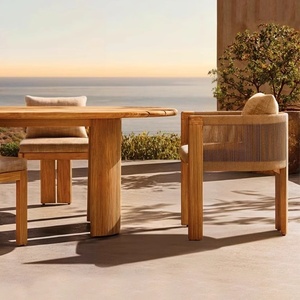
Each engineered console, buffet, and modular architectural casework unit is manufactured in our family-owned workshop in Jepara, kiln-dried to moisture equilibrium, and prepared for high-durability residential and commercial deployments.
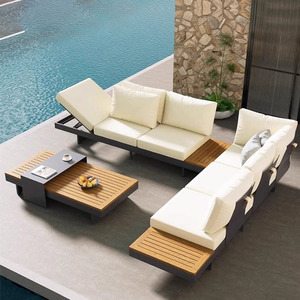
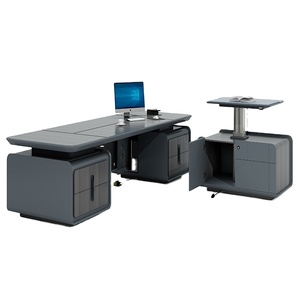
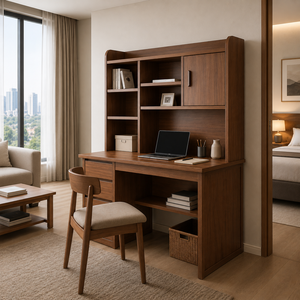
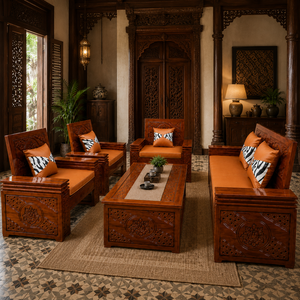
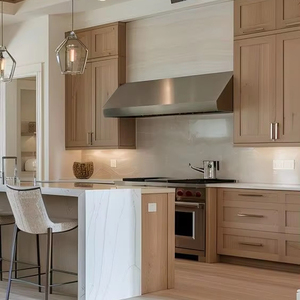
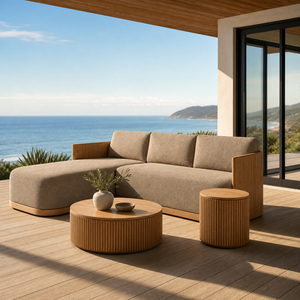
Direct importing of solid hardwood casegoods into Southern Africa requires strict structural engineering to survive harsh ambient differentials. A standard buffet unit deployed in the inland Highveld faces extreme dry-winter shrinkage, while units installed in Durban or Cape Town Atlantic seaboards face continuous maritime salt mist and hygroscopic swell.
| Geographic Region | Primary Climatic Threat | Factory Engineering Mitigation | Recommended Surface Chemistry |
|---|---|---|---|
| Gauteng / Highveld (Johannesburg, Pretoria) | Relative humidity drop below 25% during winter heating; panel splitting and tenon retraction. | Deep-mortise floating tenons, elongated screw-slot battens, and kiln-drying down to 8% core EMC. | Penetrating natural teak oils or open-pore matte polyurethane to allow natural cellular movement. |
| KwaZulu-Natal Coast (Durban, Umhlanga) | Subtropical maritime humidity peaking above 85%; micro-fungal blooms and runner swelling. | Marine-grade brass or grade-304 stainless tracks; 3mm perimeter drawer gaps to avoid binding. | Anti-fungal sealer undercoat topped with moisture-resistant catalyzed polyurethane. |
| Western Cape (Cape Town, Winelands) | Mediterranean wet winters coupled with dry, gale-force summer winds; severe wood cycling. | Breadboard ends with hidden expansion slots; SVLK-certified heartwood selecting tight radial grain. | Multi-coat UV-inhibited exterior/interior dual-system finish. |
From bespoke safari lodges across the Greater Kruger and Limpopo floodplains to modern brutalist villas in Camps Bay and Constantia, our solid teak sideboards bridge industrial utility and organic craftsmanship.
Designed to anchor grand open-air dining bomas and luxury suites in Mpumalanga and Sabi Sand. The natural tectoquinone oils of authentic Tectona grandis prevent invasive borer attacks and dry rot in non-climate-controlled bushveld environments.
In Stellenbosch, Franschhoek, and Paarl, buffets serve as crucial heavy-duty credenzas for premium crystal and stemware storage. Our reinforced internal shelving supports full-case weights without sagging under continuous hospitality cycles.
Urban architecture along the Atlantic Seaboard requires organic timber to soften off-shutter concrete and expanses of low-E glass. The warm, golden patina of Indonesian teak balances interior acoustics while repelling salt mist corrosion.
Direct factory-to-specifier procurement is accelerating. South African interior architects, residential developers, and high-end hotel procurement heads are bypassing speculative distribution tiers in favour of custom Indonesian workshop contracts.
High-end developments pursuing Green Star South Africa ratings increasingly prohibit toxic synthetic resins and petroleum-based composite flat-packs. Solid teak buffets offer complete lifecycle longevity, passing down through generations rather than ending up in municipal landfills.
With rising local retail markups on import stock, boutique design studios and property developers are securing FCL (20ft) and shared LCL consolidations shipped direct from Semarang Port to Durban Container Terminal (DCT) and Cape Town Container Terminal (CTCT).
Demand has pivoted from overly ornate colonial carvings toward contemporary clean lines: horizontal slatted sliding doors, precision-machined vertical fluting, integrated finger pulls, and matte micro-wax finishes that preserve raw organic timber tactile feel.
Founded in 1995 along the central woodworking corridor of Jl. Raya Soekarno Hatta in Jepara, Central Java, Teratai Furniture represents thirty years of dedicated family manufacture. Unlike commercial trading intermediaries, we control kiln schedules, board selection, and sub-assembly joinery under a single workshop roof.
All raw timber logs are sourced under Indonesia’s rigorous national timber legality assurance system (Sistem Verifikasi Legalitas Kayu). We supply complete legal chain-of-custody documentation, ensuring hassle-free clearance through South African Revenue Service (SARS) customs checkpoints.
With an in-house core team of four master craftsmen, five specialist finishers, two dedicated QA inspectors, and scalable sanding crews, every mortise, tenon, and drawer dovetail is checked for load limits and surface tolerance before export packing.
While a 20ft ocean container remains the industry standard for landed cost efficiency, we actively accommodate mixed-volume LCL consignments and consolidated supplier shipments, coordinating with forwarders servicing Durban, Cape Town, and Port Elizabeth.
Technical, fiscal, and logistical solutions address common queries regarding Indonesian solid wood importations into the Republic of South Africa.
Johannesburg and the broader Highveld sit at an elevation of ~1,700m with exceptionally low winter relative humidity (frequently under 25%). Standard timber dried to 14-16% will shrink and crack. Our workshop uses computer-monitored kiln chambers to bring teak core moisture down to 8–10% EMC specifically for Highveld orders. Furthermore, our cabinet tops are mounted via slotted floating cleats rather than glued rigid dowels, allowing cross-grain dimensional expansion and contraction without risk of face-panel splitting.
We supply an entire compliant trade dossier for every container departure: Official SVLK / V-Legal Timber Legality Certificate, Phytosanitary Certificate issued by the Indonesian Agricultural Quarantine Agency, Commercial Invoice, Packing List showing gross/net weights and exact CBM, and Original Ocean Bills of Lading. These documents ensure clear classification under HS Code 9403.60 (Wooden Furniture) with standard duty rates and eliminate any quarantine delays at Durban or Cape Town harbors.
Our standard baseline is a single 20ft container (approximately 28–30 CBM, which translates to roughly 35 to 45 mixed sideboards, consoles, and dining tables depending on crating). For established studios, developers, or trial consignments, we accept half-container volumes or LCL consolidation. Lead times for a full 20ft FCL container run between 4 to 6 weeks from structural technical drawing approval, followed by roughly 18 to 24 days ocean transit from Tanjung Emas Port (Semarang) to Durban Container Terminal.
Yes. Every piece is built to order. You can supply technical CAD files, architectural elevation sketches, or design renders. We readily integrate concealed Blum or DTC undermount soft-close slide tracks, felt-lined silverware pullouts, internal vertical partitions, ventilated audio-visual backplates, and specialized brass or blackened steel leg bases engineered to structural architectural requirements.
Connect directly with our master woodworking workshop in Jepara. We provide accurate CIF or FOB price estimates, complete timber provenance certifications, and custom CAD workshop elevations within 24 to 48 hours.