Tested for structural integrity, moisture balance, and extreme ultraviolet resilience across coastal beachfront resorts and high-altitude commercial estates.
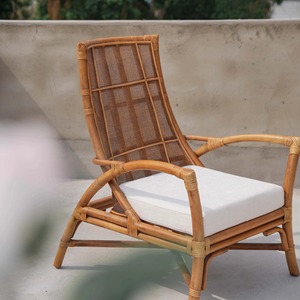
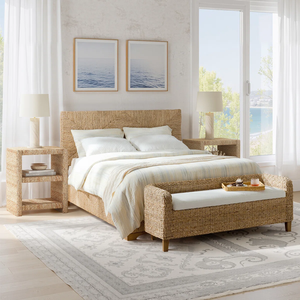
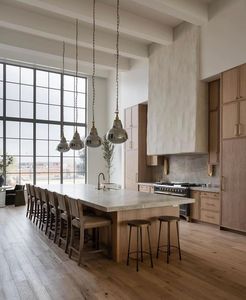
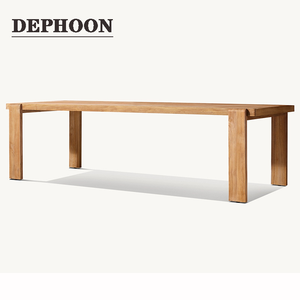
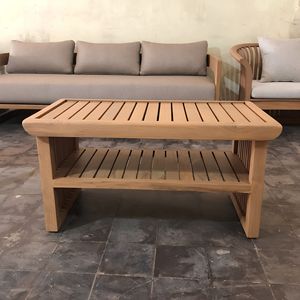
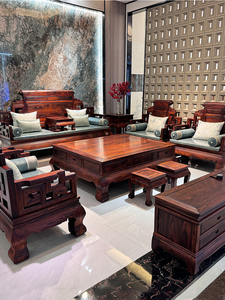
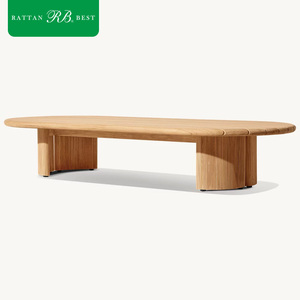
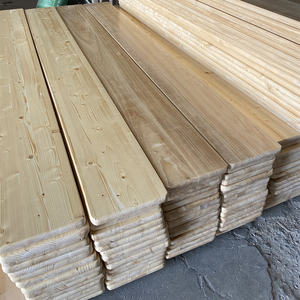
Kenya's real estate, eco-tourism, and commercial hospitality sectors are experiencing unprecedented architectural evolution. From luxury safari hideaways in the Maasai Mara and Laikipia to ultra-prime coastal resorts along Malindi, Watamu, and Diani, and upscale multi-family towers across Nairobi's Karen, Muthaiga, and Westlands, the demand for high-end hardwood furniture has outpaced local wood supplies. Kenyan developers, interior design firms, and procurement directors frequently face severe constraints: indigenous timbers such as Elgon Olive, Camphor, and East African Mahogany (Khaya anthotheca) are rightly protected by stringent national logging bans and conservation moratoriums, while locally farmed softwoods (Cypress and Pine) lack the structural density and natural oil defenses required for high-traffic commercial environments.
As a seasoned, family-run furniture manufacturer established in Jepara, Central Java, since 1995, our workshop bridges this critical supply gap. By pairing three decades of ancestral Javanese mortise-and-tenon woodworking craftsmanship with industrial Kiln-Drying (KD) chambers, SVLK certified plantation timber, and strict ISO-aligned export quality control, we provide Kenyan enterprises with commercial furniture solutions that eliminate warping, cracking, dry rot, and marine borer decay.
A single furniture specification cannot survive Kenya's extreme climatic diversity. We engineer moisture content and surface seals based on destination logistics.
Climatic Threat: Ambient relative humidity exceeding 85%, corrosive coastal salt spray, intense thermal cycling, and aggressive wood-boring insects. Softwoods rot within 24 months.
Our Engineering Solution: Grade-A SVLK Indonesian plantation teak naturally loaded with silica and organic rubber resins. Finished with microporous, marine-grade hydrophobic oils that repel airborne chlorides while allowing internal wood respiration, preventing fungal colonization and blistering.
Climatic Threat: 1,700m+ elevation causing intense UV radiation, combined with severe equilibrium moisture content (EMC) shifts between cold wet monsoon months and hot, arid, cloudless seasons.
Our Engineering Solution: Computerized Kiln Drying brought strictly to 10%–12% moisture content (MC). Stress-relieved mortise-and-tenon interlocking joints fitted with internal expansion margins, preventing splitting, seasonal cupping, or joint pull-out in Nairobi penthouses.
Climatic Threat: High-traffic wear from safari luggage, dust abrasion, arid conditions, and aggressive subterranean termite (Macrotermes) attacks in locations like Tsavo and Maasai Mara.
Our Engineering Solution: Heartwood-only Tectona grandis selections rich in natural tectoquinones—an organic biocidal compound completely immune to termites and borer beetles without requiring toxic synthetic chemical pressures.
Procurement teams in East Africa must weigh long-term lifecycle amortizations rather than initial freight figures. Below is a lab-verified operational comparison illustrating why SVLK Indonesian Teak dominates institutional hospitality investments.
| Performance Criterion | Indonesian Teak (Tectona grandis) | East African Cypress / Pine | Imported Engineered MDF / Veneer | Local Hardwood (Eucalyptus / Blue Gum) |
|---|---|---|---|---|
| Janka Hardness Rating | 1,070 – 1,150 lbf (Dense, resilient) | 450 – 520 lbf (Prone to denting) | N/A (Delaminates under stress) | 1,100 – 1,400 lbf (Brittle, high tension) |
| Termite & Insect Defense | Natural Tectoquinones (100% immune) | Very low; requires chemical poisons | Vulnerable glue layers attract pests | Moderate; subject to heartwood borers |
| Moisture Absorption Rate | Extremely low due to native silicates | High; swells and cups rapidly | Extreme; swells irrecoverably | Erratic; causes catastrophic checking |
| Coastal Saline Durability | Class 1 (50+ years unpainted) | Class 4 (Degrades within 3 years) | Unusable in coastal humidity | Class 3 (Requires constant repainting) |
| Environmental & KEBS Legality | SVLK Export Audited / 100% Legal | Variable local chain of custody | High VOC emission risks | Strict harvesting moratorium issues |
Unlike trading houses or broker networks in Jakarta or Nairobi, we are a direct manufacturing enterprise founded in 1995 on Jl. Raya Soekarno Hatta, Jepara. Our facility integrates 4 master woodcarvers, 5 precision finishers, and 2 dedicated QA/QC managers who inspect each mortise-and-tenon interface, dowel alignment, and flat-grain polish before your container is sealed for Mombasa.
Every board used in our factory complies with Indonesia's Sistem Verifikasi Legalitas Kayu (SVLK). This guarantees that every shipment arriving at the Port of Mombasa satisfies Kenya Forest Service import clearances, KEBS guidelines, and international ESG investor criteria.
We load directly from our dry warehouse into 20ft and 40ft High Cube containers. Cargo routes smoothly from Semarang Port (Tanjung Emas) directly to the Port of Mombasa (Kilindini Harbour) or transits on the SGR directly into Nairobi ICD (Embakasi) within 24–30 sailing days.
Whether adapting our catalogue silhouettes or building entirely bespoke joinery to your architectural DWG/CAD blueprints, we adjust timber sections, leg cross-profiles, and upholstery hardware to match your exact commercial project specifications.
Importing commercial teak furniture into Kenya is a straightforward, tax-efficient procedure when backed by an experienced exporting manufacturer. We work closely with Kenyan clearing forwarders and logistics companies to ensure zero delays at customs:
1. PVoC & KEBS Certification: Prior to container departure, we facilitate physical inspection procedures aligning with the Kenya Bureau of Standards (KEBS) Pre-Export Verification of Conformity (PVoC) standards. We provide complete V-Legal / SVLK certificates, phytosanitary treatment documentation, and fumigation certificates (ensuring zero live pests under ISPM-15 guidelines).
2. Import Declaration Form (IDF) Alignment: We furnish Kenyan importers with detailed Commercial Invoices, Packing Lists with cubic meter (CBM) breakdowns, and Bills of Lading matching HS Codes for worked solid timber (HS Code 9403.60), ensuring frictionless tariff assessments by the Kenya Revenue Authority (KRA).
3. Staged Milestones for Developers: For multi-container hotel projects or residential community rollouts, commercial terms are staged container-by-container: an initial production deposit, mandatory photo/video QC signoff upon dry-fit assembly in Jepara, and balance settlement prior to Bill of Lading release.
Essential operational insights regarding customs, wood stability, shipping timelines, and factory direct customization.
Indonesian Tectona grandis is scientifically renowned for its dimensional stability. In our Jepara workshop, we kiln-dry our lumber using a progressive computerized drying curve down to 10%–12% moisture content (MC). This calibrated target sits exactly between the coastal equilibrium (13-14% in Nyali/Diani) and the highland interior (8-10% in Nairobi/Naivasha), preventing wood shrinkage cracks in Nairobi and excessive swelling along the coast.
Every export shipment is accompanied by a full legal export dossier: V-Legal / SVLK Timber Legality Certificate, Official Phytosanitary Certificate issued by the Indonesian Agricultural Quarantine Agency, ISPM-15 Fumigation Certificate, Certificate of Origin (Form B/COO), Bill of Lading, and itemized Commercial Invoice/Packing List aligned with KEBS import regulations.
Yes. Approximately 60% of our annual export volume is made-to-order architectural casework, bespoke dining configurations, and hotel bedroom sets. Simply submit your PDF elevations, CAD files, or reference imagery with required dimensions. Our engineering drafting team prepares production drawings for your approval prior to timber cutting.
Our standard export baseline is one 20ft Full Container Load (FCL), which holds roughly 28 to 30 CBM of tightly export-packed furniture (allowing a diverse mix of sofas, beds, dining tables, and cabinetry). For boutique lodges or trial orders, we can accommodate consolidated Less than Container Load (LCL) shipments via forwarder freight hubs in Jakarta or Surabaya.
Production for a standard 20ft container requires 4 to 6 weeks, depending on the complexity of hand-fitted joinery and finishing coats. Ocean freight transit from Central Java's Tanjung Emas Port to Mombasa's Kilindini Harbour typically averages 22 to 28 days. In total, developers should budget 8 to 10 weeks from deposit to warehouse arrival in Kenya.
Local Kenyan Cypress (Cupressus lusitanica) is a softwood that readily absorbs moisture, leading to mold and fiber breakdown within 3 to 5 years outdoors. Eucalyptus is dense but suffers from severe internal spiral tensions, causing it to warp and split in the sun. Indonesian Grade-A teak possesses dense interlocking grain and high natural oil saturation, giving it an outdoor lifespan exceeding 30 to 50 years with zero structural decay.
Absolutely. You are welcome to visit our workshop at Jl. Raya Soekarno Hatta KM.5 No.95 in Jepara, Central Java. For buyers managing procurement remotely from Nairobi or Mombasa, our QA staff conducts exhaustive digital inspection sessions: providing high-definition video walkthroughs, moisture meter readings, joinery close-ups, and step-by-step container packing footage.
We use heavy-duty commercial export packaging: foam edge protectors, 5-ply corrugated cardboard wrapping, moisture-absorbing silica canisters, and heavy polyethylene vapor-barrier wraps. Sensitive fluted profiles and stone-inlaid pieces are placed in ISPM-15 heat-treated slatted timber crates, ensuring zero transit friction or container condensation damage.
Consult directly with our Jepara workshop masters. Send us your project bill of quantities (BOQ), custom designs, or select from our proven hospitality collections for an immediate container quotation and technical analysis.
Get a Quote