Navigating structural density variances, cellular natural oil preservation, and industrial supply chain compliance across international wholesale furniture contracts.
Procuring commercial-grade reclaimed teak (Tectona grandis) represents one of the highest information-gain investments available to tier-one architectural specifiers, hospitality chains, and luxury furniture retailers. Unlike newly harvested plantation timber, genuine reclaimed teak is derived from century-old structures, historic Javanese limasan residences, maritime decking, and decommissioned structural beams. Over decades of atmospheric exposure, this virgin-growth timber has undergone slow natural polymerisation, crystalising internal resins, silica matrixes, and defensive tectoquinones. The resulting lumber exhibits exceptional dimensional stability, minimal seasonal hygroscopic movement, and inherent immunity against fungal rot and wood-boring insect infestations.
However, industrial manufacturing using salvaged timber demands a completely different quality assurance infrastructure than virgin milling. As an established cross-regional manufacturing network combining historical artisanal handcraft with China's world-leading precision machinery, high-throughput finishing lines, and rigorous container-loading protocols, our facilities bridge the gap between traditional woodworking artistry and institutional B2B procurement standards. We execute strict de-nailing with pulse-induction magnetic detectors, twin-stage vacuum chamber kiln drying to equalise structural moisture content (MC) between 8% and 12%, and computerized stress-grading to ensure every dining table, vanity, and lounge suite surpasses ASTM and EN 581 contract-grade requirements.
Engineered for high-traffic hospitality, commercial architectural spaces, and discerning residential wholesale distribution.
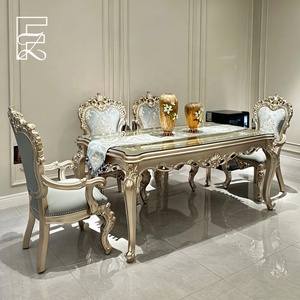
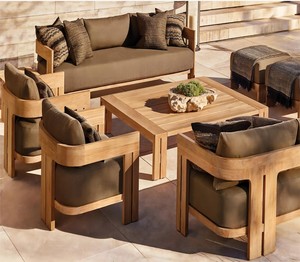
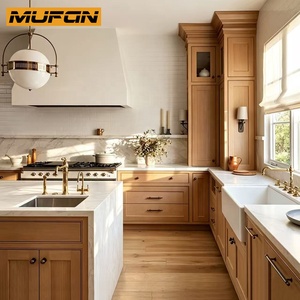
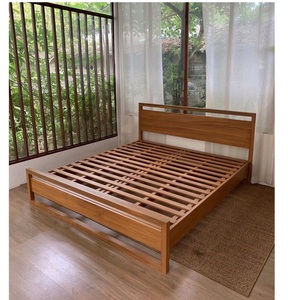
Empirical physical properties determining commercial durability, warranty liabilities, and structural lifespan.
| Property Parameter | Genuine Reclaimed Old-Growth Teak | Fast-Yield Commercial Plantation Teak | Procurement Significance for Importers |
|---|---|---|---|
| Mean Tree Age at Harvest | 60 – 120+ Years (Structural salvaged) | 15 – 25 Years (Intensively farmed) | Determines heartwood-to-sapwood ratio and organic silica accumulation. |
| Air-Dried Density (ρ) | 680 – 760 kg/m³ | 540 – 620 kg/m³ | Directly correlates with surface indentation resistance (Janka hardness rating). |
| Natural Tectoquinone Content | Extremely High (Crystallized over decades) | Moderate to Low (Immature vascular cells) | Imparts innate biological resistance against termites, subterranean pests, and wood-rot fungi. |
| Volumetric Shrinkage Coefficient | T: 2.1% | R: 1.2% (Exceptional equilibrium) | T: 4.8% | R: 2.5% (High risk of warping) | Prevents checking, cupping, and split joins when exported to arid climates (e.g., North America/Middle East). |
| Carbon Inherent Value | Net Negative Carbon (Preserved embodied carbon) | Variable depending on processing energy | Qualifies architectural developments for LEED v4 credits and BREEAM sustainability status. |
How our hybrid Javanese craftsmanship and advanced export staging eliminate common global supply chain risks.
Every board in our facility complies with Indonesia's mandatory SVLK (Sistem Verifikasi Legalitas Kayu) certification framework and aligns with the stringent anti-illegal logging parameters of the US Lacey Act, European EUDR, and Australian ILPA.
We do not rely on random batch checks. Our in-house QC department comprises senior joinery technicians and structural inspectors who check every single unit twice: before finishing, and during container loading.
While mega-factories demand massive single-SKU volumes, we accommodate architectural projects and multi-brand importers with flexible loading frameworks ranging from single 20ft consolidations to multi-40ft HQ deployments.
Our woodworking operations combine decades of traditional hand joinery with modern structural processing. Headquartered with deep historical linkages to Central Java's premier timber artisans and backed by sophisticated China export management, our clients enjoy unmatched cost efficiencies, reliable lead times, and seamless multilingual commercial documentation.
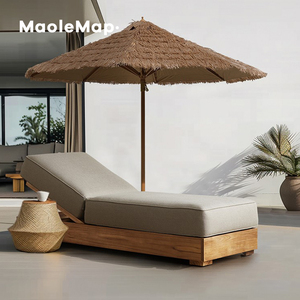
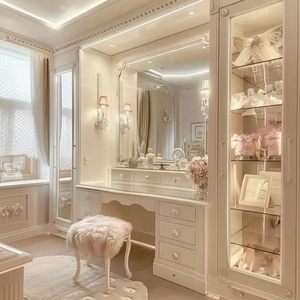
Whether sourcing solid reclaimed teak dining suites, weather-resilient pool lounges, or high-end bespoke vanities, our engineering team converts your 2D sketches, CAD files, or architectural renders into production-ready technical drawings within 48 hours.
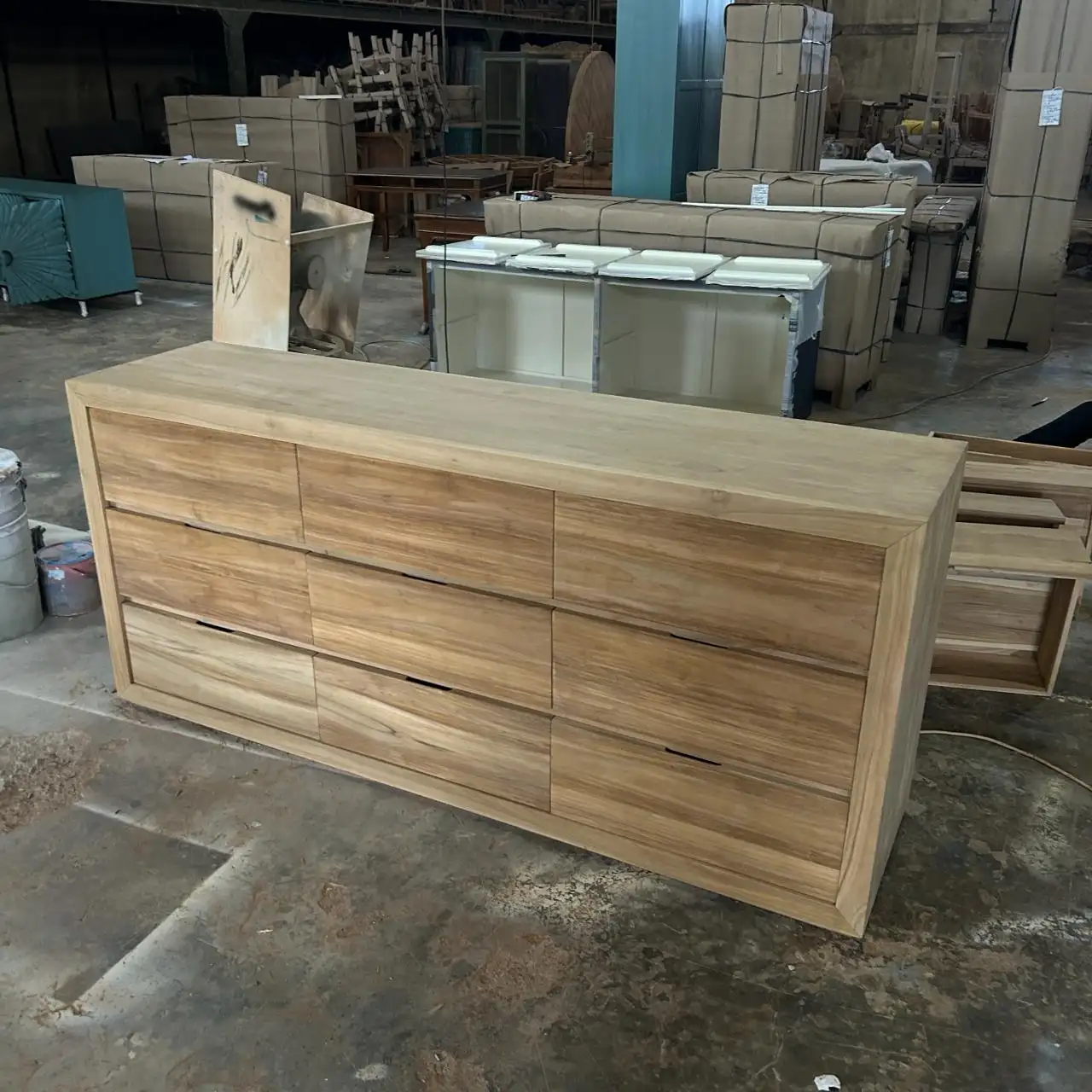
Emerging micro-market demands, regulatory transformations, and material hybridization redefining the contract sector.
With stricter EU Deforestation Regulation (EUDR) deadlines, corporate buyers are pivoting toward digital verification. By 2026, leading importers will require QR-coded digital passports showing the exact geographic demolition coordinates of origin structures.
Architects are actively combining rustic salvaged teak with sleek industrial elements. Expect surging procurement in reclaimed teak juxtaposed with CNC powder-coated 316 marine stainless steel, cast basalt, and sintered architectural porcelain.
Traditional toxic solvent polyurethanes are being phased out in favour of non-biocidal bio-based impregnations and zero-VOC water-borne nano-lacquers that retain the raw, tactile wire-brushed finish of aged wood while passing commercial stain assays.
Escalating maritime freight rates have elevated container optimization into a core design criterion. Advanced knock-down (KD) joints utilizing embedded brass eccentric cam connectors allow massive reclaimed dining tables to pack flat without compromising strength.
How international regulatory enforcement, biophilic architecture, and virgin timber scarcity are transforming the supply landscape.
The global contract furniture manufacturing landscape is undergoing structural transformation driven by virgin hardwood scarcity, tightened export controls on old-growth forestry across Southeast Asia, and escalating scrutiny over Corporate Social Responsibility (CSR). Reclaimed teak stands out not merely as an aesthetic preference, but as an indispensable hedge against supply-side regulatory embargoes.
In high-density commercial developments, biophilic interior design has shifted from an avant-garde aesthetic to an institutional requirement. International hospitality flags (such as Six Senses, Aman, and 1 Hotels) mandate minimum circularity quotas for interior millwork and loose furniture. Reclaimed teak delivers an authentic narrative—every furrow, nail mark, and weathered grain tells a decades-long story that modern synthetic or fast-grown alternatives cannot replicate.
Furthermore, from an investment perspective, institutional real estate developers are leveraging reclaimed timber components to achieve higher LEED Platinum and WELL Platinum scores. As certified circular timber, structural reclaimed teak furniture earns key credits under Materials and Resources (MR) categories for Building Product Disclosure and Optimization, driving institutional capital allocations directly into certified reclaimed timber supply chains.
A closed-loop workflow ensuring structural stability, zero metal contamination, and seamless international delivery.
Salvaged structural baulks undergo multi-pass pulsed magnetic scanning to remove embedded iron nails, bolts, and debris before primary sawing.
Timber is conditioned inside computer-automated vacuum kilns for 21 days to achieve an optimal 8-12% target moisture equilibrium across core fibers.
Components are precision-machined with deep mortise-and-tenon joints, stabilized with cured epoxy resins and solid hardwood dowels.
Multi-stage protective packaging with edge protectors, non-abrasive foam wraps, desiccant packs, and structural crates ensure pristine ocean arrivals.
Essential intelligence addressing moisture management, regulatory paperwork, customized OEM capabilities, and payment security.
Tropical timber naturally adjusts to its surrounding relative humidity. To export safely to dry regions like North America or Northern Europe, we stabilize our reclaimed teak in vacuum kilns down to an exact core moisture content of 8%-12%. We also engineer expansion gaps into panel designs and use specialized back-relief cuts that allow natural seasonal movement without structural checking or failure.
Every commercial container is supported by genuine SVLK export verification, V-Legal documentation, commercial invoices, packing lists, and Certificates of Origin. This documentation guarantees that all timber was legally obtained from decommissioned buildings or verified reclamation projects, satisfying all international import requirements under the US Lacey Act, European EUDR, and Australian Timber Regulations.
Our standard production runs are optimized around 20ft Full Container Loads (FCL), accommodating approximately 28 to 32 CBM of goods. However, for specialized commercial hospitality projects or boutique brand pilot launches, we accept mixed-SKU containers and consolidate partial shipments (LCL) when paired with your existing trade cargo lines.
Yes. Over 65% of our monthly export volume consists of made-to-order contract manufacturing. Importers simply provide AutoCAD drawings, Rhino 3D files, or hand sketches with dimensional parameters. Our in-house drafting engineering team delivers comprehensive shop drawings and material cut-lists for technical sign-off prior to prototype cutting.
Reclaimed teak carries historical features such as bolt holes, old mortise joints, and weathered grain lines. During CAD detailing, buyers specify their preferred character grading: 'Smooth Architectural' (color-matched timber plugs and epoxy stabilization for clean surfaces) or 'Rustic Heritage' (preserved nail marks and hand-wire-brushed grain that highlight the wood's century-old history).
Production typically requires 4 to 6 weeks for a standard 20ft container and 6 to 8 weeks for a 40ft High Cube container following formal shop drawing approval and deposit confirmation. Bespoke prototypes or complex hand-carved architectural items generally require 10 to 14 additional production days for master tooling and template preparation.
Ocean freight containers experience temperature and humidity swings known as 'container rain'. We mitigate this risk by wrapping all goods in breathable, non-woven protective materials, adding high-capacity calcium chloride container desiccants, and lining shipping floors with heavy-gauge moisture-barrier films to ensure items arrive dry and mold-free.
Standard export orders operate on a 30% advance deposit to initiate timber cutting, with the remaining 70% balance settled upon approval of comprehensive final quality control photography and presentation of shipping documentation (Bill of Lading). For recurring institutional clients and large-scale contract deliveries, we support confirmed, irrevocable Letters of Credit (L/C at sight).
Connect directly with our senior engineering and export management team. We review architectural specifications, generate accurate bill-of-materials calculations, and provide comprehensive container quotes within one business day.