
Grade-A Teak
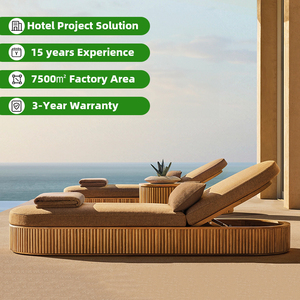
Direct from our Jepara workshop to Incheon and Busan. Fully customizable dimensions, wood selections, mortise joints, and surface treatments engineered for international contract hospitality and commercial residential portfolios.
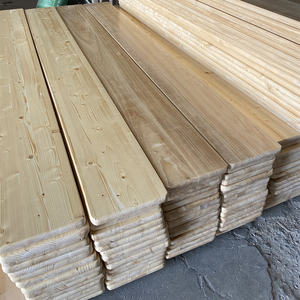
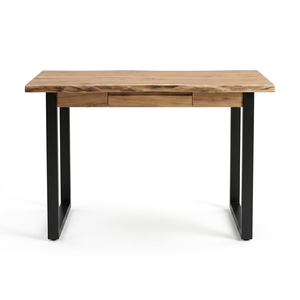

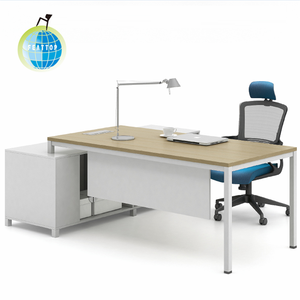
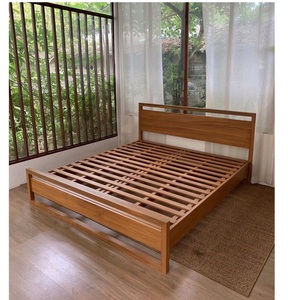
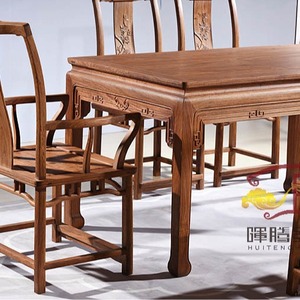
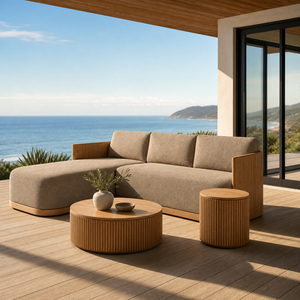
Sourcing outdoor teak furniture for Korea requires more than standard tropical manufacturing. It demands stringent climate acclimatization, precise wood selection, and rigorous quality gatekeeping to survive dynamic seasonal transitions.
Korea experiences extreme temperature shifts: from sticky humid summers reaching +35°C to dry, sub-zero continental winters dropping below -15°C. High natural equilibrium moisture in tropical wood can cause sudden shrinkage and radial splitting if not stabilized. We utilize computer-regulated, multi-stage convective dry kilns to drop and equalize core moisture down to 8%–11%, preventing warping under Korean dry heating and cold spells.
Climate EngineeredUnder the Korean Act on the Sustainable Use of Wood (목재의 지속가능한 이용에 관한 법률), imported timber products undergo strict customs legality inspection by the Korea Forestry Promotion Institute (KOFPI). All our timber is strictly 100% harvested from sustainable Perum Perhutani plantations, complete with full V-Legal Documentation and SVLK credentials ensuring rapid customs green-channel clearance at Busan and Incheon ports.
Customs AssuredUnlike massive automated plants that require 500-unit minimums per SKU, our Jepara workshop is staffed with master carvers, joinery specialists, and dedicated QA inspectors. Korean architectural firms, franchise café planners, and luxury residential interior designers can submit tailored DWG/CAD drawings, 3D renderings, or custom dimensions, receiving precision-machined prototypes and flexible container consolidation.
CAD / OEM CustomCommercial longevity across high-traffic outdoor dining areas, luxury swimming pool decks, and coastal resorts is dictated by timber density and silica-resin ratios. Tectona grandis sourced from mature Indonesian plantations yields superior tensile strength, natural water repellency, and resistance to wood-boring marine pests compared to short-rotation softwoods.
From Jeju Island's high-salinity coastal resorts to Seoul's high-density luxury penthouses, custom teak lounge furniture fulfills specific structural, spatial, and aesthetic mandates.
Jeju's basalt-rock villas and high-end pensions require furniture capable of withstanding fierce sea winds, high salt-mist saturation, and continuous UV exposure. Our custom outdoor sun loungers and fluted sectional sets utilize Grade-A heartwood saturated with tectoquinone oils that naturally neutralize galvanic and saltwater degradation without peeling or fading.
Maritime Coastal DurabilityUrban real estate in Seoul values space-efficient, high-aesthetic organic materials. Modern Korean luxury residential balconies require lightweight ergonomic mobility paired with sculptural, clean-lined minimalism. Our custom-designed foldable round teak tables and slender lounge chaises seamlessly merge Scandinavian-Japandi sensibilities with authentic Indonesian timber craft.
Urban High-End ResidentialThe "Daeyeong" (mega bakery café) phenomenon in Gyeonggi-do, Yangpyeong, and Gangneung draws thousands of weekend leisure seekers. Commercial operators need high-durability benches, communal solid teak slabs, and lounge chairs that tolerate intense commercial turnover, spilling beverages, and seasonal dampness without constant refinishing.
Commercial F&B TrafficUnderstanding shifting consumer mentalities, strict environmental guidelines, and contemporary interior concepts that dominate the Korean commercial hospitality ecosystem.
The convergence of plant styling and high-end interior architecture (known locally as "Planthterior") has propelled raw, natural-grained wood into urban commercial spaces. Solid teak's warm golden-brown hue and prominent straight-to-wavy grain patterns provide a grounding biophilic contrast against Korea's ubiquitous exposed concrete and glass curtain-wall buildings.
Design MovementKorean end-users place premium emphasis on eco-friendly, hypoallergenic living environments, particularly in enclosed veranda zones and indoor/outdoor transitional spaces. Our finishing workshop provides solvent-free food-safe Rubio monocoatings, non-toxic waterborne polyurethane, and matte natural oil treatments that emit zero harsh off-gassing while enhancing the wood's breathability.
Eco-Health StandardsKorean corporate developers, ESG-conscious hotel brands, and retail chain buyers are actively pivoting away from short-life synthetic rattan and cheap resin chairs that brittle under winter freezing. The shift towards authentic solid teak lounge chairs represents an investment in 20+ year lifecycle assets that develop an elegant silver-grey patina over decades of weathering.
ESG Lifecycle Asset| Performance Parameter | Teratai Jepara Factory (OEM Standard) | Generic Commercial Import Standard | Impact on Korean Project Deployment |
|---|---|---|---|
| Target Moisture Content (MC) | 8% – 11% (Stabilized via convective kiln) | 16% – 20% (Air-dried / partial drying) | Eliminates severe structural checking & end-grain cracking in dry Korean winters. |
| Timber Grade & Origin | 100% Grade-A Plantation Teak (Perhutani) | Mixed Grade B/C, Young sapwood inclusion | High density >650 kg/m³, high oil saturation, zero sapwood decay risk. |
| Hardware & Fasteners | SUS304 / Marine Grade SUS316 Stainless Steel | Electro-galvanized iron / low-grade steel | Impervious to coastal sea air in Jeju & Busan; no rust streaks on luxury stone floors. |
| Timber Legality Documentation | SVLK Certified with V-Legal Customs Clearance | Uncertified / Third-party intermediary pass | Full compliance with Korea Forestry Promotion Institute (KOFPI) regulations. |
| Joinery Engineering | Deep precision Mortise-and-Tenon with dowels | Stapled butts, flat screws, or exposed nails | Withstands commercial cyclic loading from high-turnover hospitality clientele. |
Critical operational answers addressing lead times, shipping to Busan/Incheon, wood certification, winterization, and container consolidation.
Korea's winter features extremely low humidity coupled with sub-zero temperatures, which rapidly draws moisture out of raw tropical timber. To combat thermal shock and shrinkage stress, our factory uses specialized computerized kiln-drying schedules to slowly condition the timber down to 8%–11% equilibrium moisture content. Additionally, our joinery features calculated expansion tolerances and reinforced mortise-and-tenon structural joints that accommodate natural micro-movement without splitting.
Yes. The South Korean government mandates that imported timber must provide proof of legal harvesting under the Timber Legality Management System. Indonesia's SVLK (Sistem Verifikasi Legalitas Kayu) has a direct bilateral recognition agreement with the Korea Forest Service. Every shipment from our Jepara workshop is issued an official V-Legal document matching your packing list and commercial invoice, guaranteeing seamless customs validation at Busan or Incheon.
Shipments depart from our central Java facility to Tanjung Emas Port in Semarang or Tanjung Perak Port in Surabaya. Standard direct ocean freight to Busan New Port or Incheon Port takes approximately 12 to 18 days on water. Factoring in manufacturing (4 to 6 weeks per 20ft container) and export documentation processing, our Korean clients typically receive complete container consignments within 7 to 9 weeks from final drawing approval.
Absolutely. Because we operate as an agile family-owned workshop rather than an inflexible automated mass plant, we specialize in mixed-container consolidation. Korean boutique importers and hospitality contractors can combine sun loungers, outdoor dining tables, fluted benches, and indoor console desks into one container, optimizing sea freight cubic meters (CBM) and diversifying inventory without surplus warehousing costs.
You can send your reference photos, hand sketches, CAD DWG files, or 3D models directly to our technical desk. We evaluate grain orientation, joint feasibility, load-bearing cross-sections, and weight balances. We will return shop drawings with localized joinery recommendations and wood-finish samples for your sign-off before raw timber cutting commences.
For open exterior installations (pool decks, open garden lawns), finely sanded raw Grade-A teak is our most popular export finish because its natural oils provide self-defense, gradually turning into a distinguished silvery patina. For commercial café terraces where grease or coffee spills occur, we recommend matte anti-UV polyurethane or clear waterborne ceramic nano-sealers that preserve the wood's organic texture while resisting surface stains.
Our workshop employs two dedicated, full-time QC/QA engineers independent of the carpentry crew. Before wrapping, every single piece undergoes a multi-point inspection: digital pin-meter moisture testing at three structural zones, joinery stress checks, hardware alignment, smooth 400-grit finish sanding, and carton-drop test verification. We provide complete photographic and video inspection dossiers to Korean buyers prior to balance payment and container loading.
Whether you require a trial consolidated shipment for a boutique Jeju resort or full-container commercial production for nationwide retail distribution, our engineering team is on standby to analyze your drawings and generate detailed quotations.
Inquire Now